
Cobaltite Meaning: Healing Properties & Uses
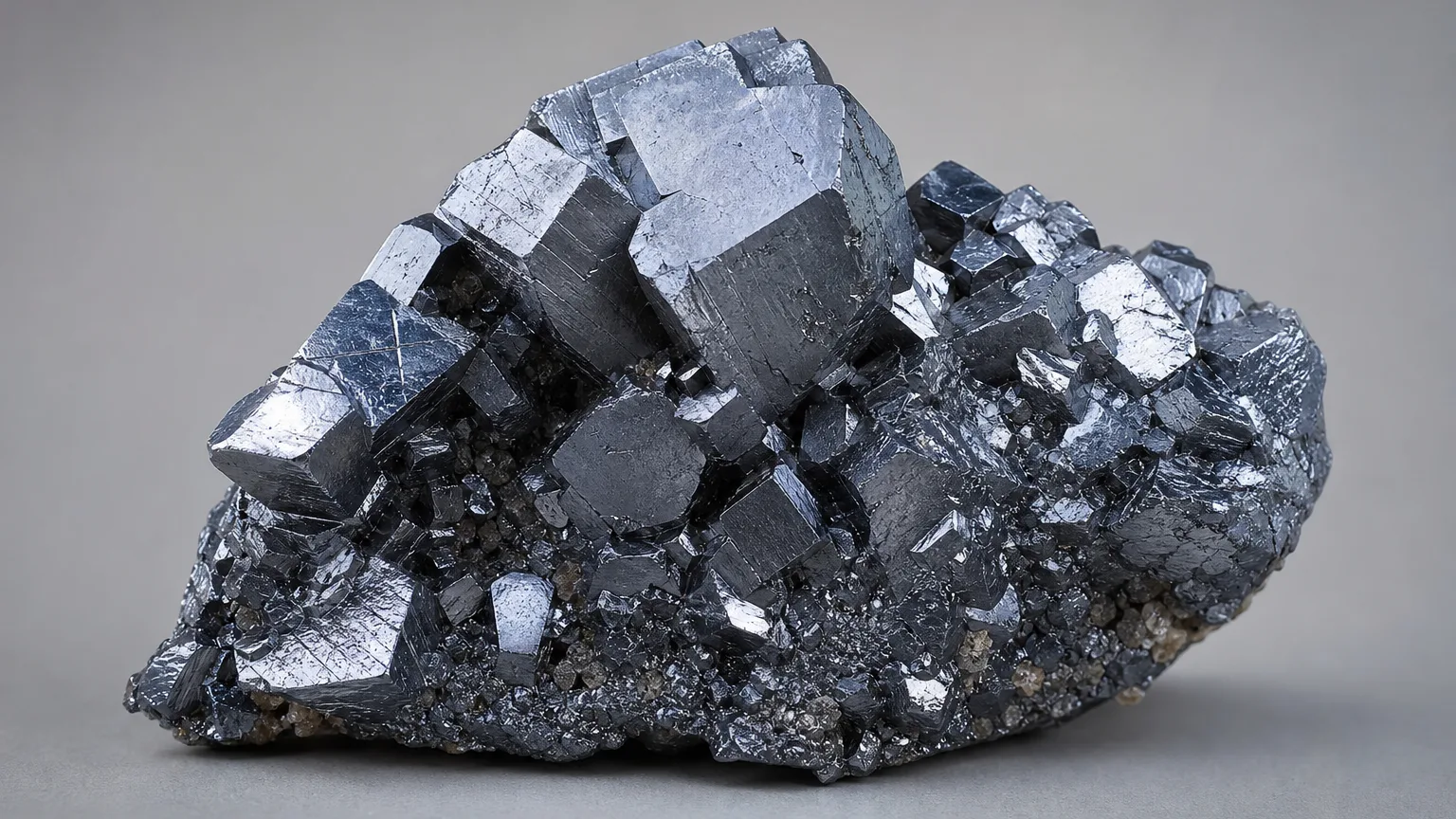
Cobaltite is a silver-white metallic sulfarsenide mineral, CoAsS, moderately hard at Mohs 5½ and notably heavy, recognized by its pyrite-like metallic crystals. Named from the German “Kobold” (a mine goblin), reflecting medieval miners’ frustration when cobalt ores gave off toxic fumes instead of copper, it’s a primary ore of cobalt — the metal behind blue pigments, batteries, and superalloys. It forms in high-temperature hydrothermal deposits, with sources in Sweden, Canada (Cobalt, Ontario), and Morocco. Because it contains arsenic, it’s best handled as a display piece — wash your hands after. In modern practice it’s tied to vitality and courage. It has no ancient tradition. This guide covers what it is. Crystal meanings reflect tradition and personal practice, not medical advice.
What Is Cobaltite Meaning?
At its simplest, Cobaltite means vitality and courage. As a dense, metallic silver-white mineral carrying cobalt — the element behind deep blue pigments and strong alloys — it reads as bold and energizing, a cue for steady vitality and the nerve to act.
For many, that’s the whole draw: a heavy, metallic crystal that brings a sense of bold energy to a shelf. You don’t need to hold any specific belief — the value often comes from keeping it visible as a cue of courage. Because it contains arsenic, it’s a display piece — handled gently, with hands washed after.
Cobaltite Meaning and Symbolism
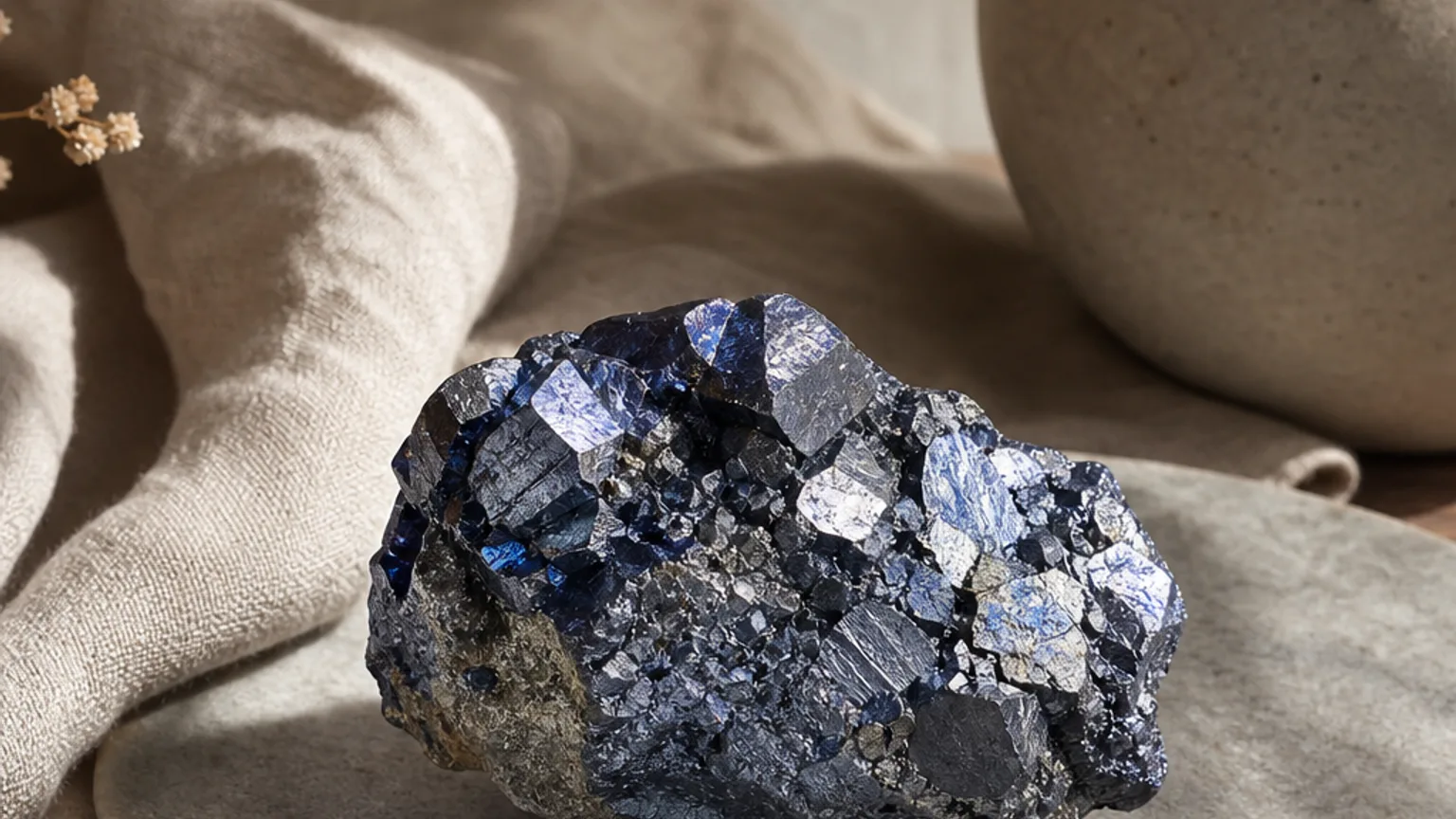
Cobaltite was named from the German “Kobold,” a mischievous mine spirit. Medieval miners thought cobalt ore was silver or copper, but when smelted it gave off toxic arsenic fumes — they blamed the Kobold. As a mineral recognized in modern science, it has no ancient healing tradition of its own.
What gives Cobaltite its modern meaning is its cobalt content: it’s the ore behind the deep blue pigments (cobalt blue) used by artists for centuries, and the strong alloys in jet engines and batteries. Its symbolism is honestly a recent one, built around that connection to bold, vital energy.
In modern practice, Cobaltite is tied to vitality and courage, often linked to the sacral and solar plexus centers. A useful frame: the meaning comes from its cobalt-bearing character, rather than invented lore. To explore more stones, browse the full Crystal Guide.
Cobaltite Properties
The Science
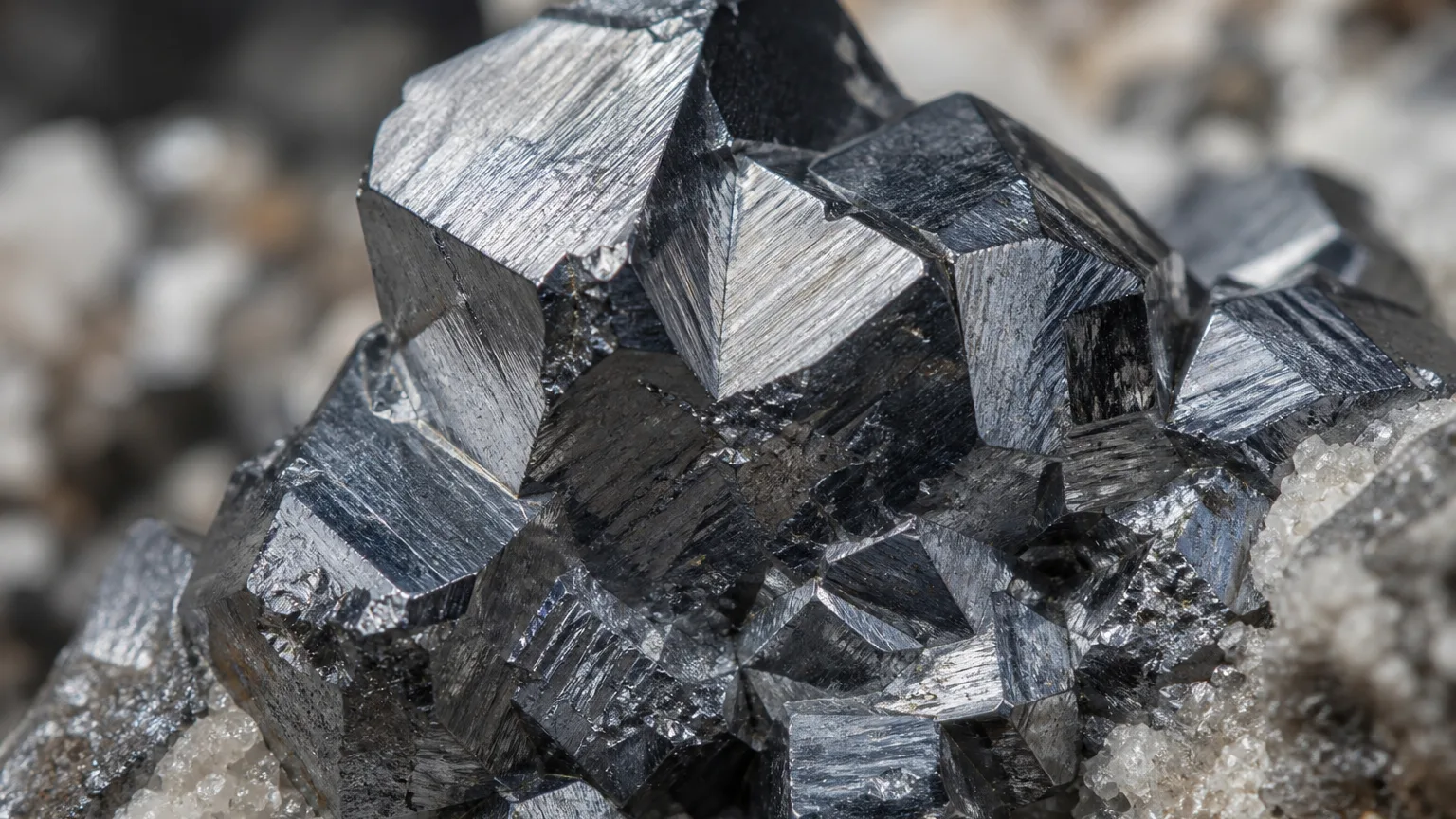
Cobaltite is a cobalt sulfarsenide — CoAsS, cubic (isometric). It rates 5½ on the Mohs scale with a heavy specific gravity around 6.0–6.3. Its silver-white to steel-grey, sometimes pinkish-grey color and metallic luster come from its cobalt-arsenic-sulfur chemistry, and it forms cubic, octahedral, or pyritohedral crystals (like pyrite’s). It’s a primary ore of cobalt, mined for the metal used in blue pigments, lithium-ion batteries, and superalloys. It forms in high-temperature hydrothermal veins. It contains arsenic, so handle it with care — wash hands after, keep it away from children and pets. Notable sources include Sweden, Canada (Cobalt, Ontario), Morocco, and Norway. This is mineralogy, not mysticism.
Traditional Meaning
Cobaltite has no ancient healing tradition. It was named from the German “Kobold,” a mine spirit blamed by medieval miners when cobalt ore gave off toxic fumes instead of yielding silver or copper, so its meaning is honestly a recent one, built within modern crystal practice around its cobalt content. In that reading, it’s valued as a stone of vitality and courage, tied to the sacral and solar plexus centers. The clearest honest statement is that its meaning comes from its cobalt-bearing character and its metallic look, plus the intentions people bring to it — and that it’s a display specimen.
Mindfulness & Psychology
From a psychological angle, Cobaltite works as a “bold spark” cue — a dense, metallic mineral for moments when you want vitality and the courage to act. The act of keeping it visible can support intention-setting: you decide it stands for “feel the spark, act with courage,” and its heavy, metallic weight anchors the hand. The idea of a stone carrying cobalt — the element of deep blue and strong alloys — reads as a bold, vital metaphor, and the small ritual of noticing it during a hesitant moment is a brief lift. For people who want a cue of courage, that little structure is most of the value. These effects come from tradition and personal practice, not clinical research. Crystals complement — but never replace — professional care.
Cobaltite Benefits
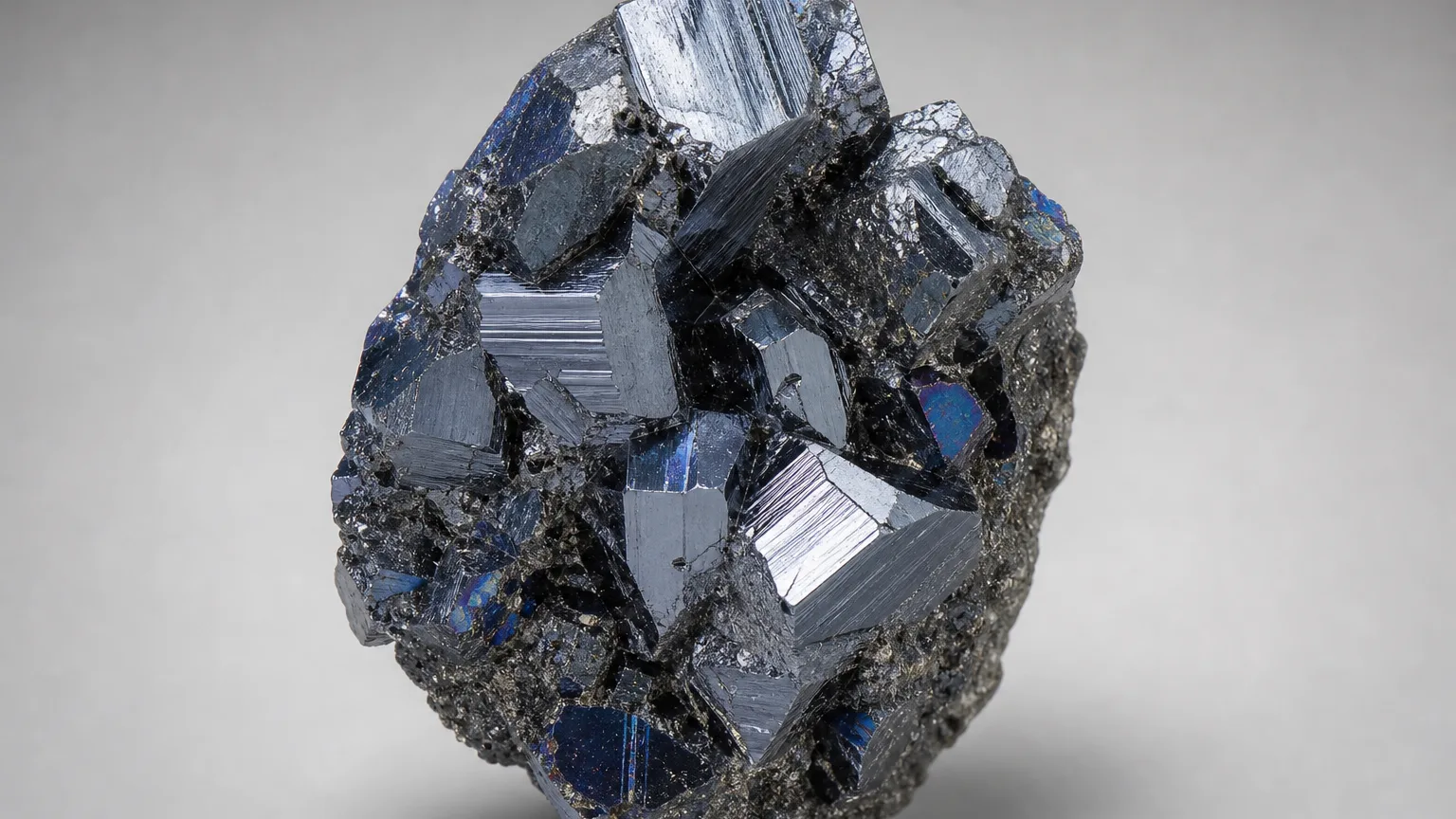
People who keep Cobaltite usually describe it in terms of feeling more energized and more bold, not dramatic shifts. The specimen tends to come up when courage matters — the weight of it before a bold step, the look of its metal when you need nerve. A few benefits people mention most:
Vitality
Its metallic, heavy feel reads as energizing; many keep it as a cue for steady energy.
Courage
Tied to the solar plexus center, it’s a popular cue for the nerve to act.
Focus
Its dense character lends itself to sharp, determined attention.
A cobalt ore
As a primary ore of cobalt (blue pigment, batteries, alloys), it’s an honest foundational piece.
The pattern underneath is the same: the stone isn’t doing the work for you, but it gives your space a small structure that makes boldness more likely. If you’re exploring stones for specific needs, see our guide to solar plexus chakra crystals.
Cobaltite Chakra, Zodiac, and Element Associations
In modern systems, Cobaltite is most often linked to the sacral and solar plexus centers — vitality, courage, and focus. It’s sometimes paired with Aries, and its element is Fire. For related stones, see solar plexus chakra crystals.
These are correspondences built up through very recent crystal practice, not fixed rules. If your own sense of a piece points somewhere else, that’s completely fine. Many people work with stones intuitively, following what feels right rather than a chart.
How to Use Cobaltite
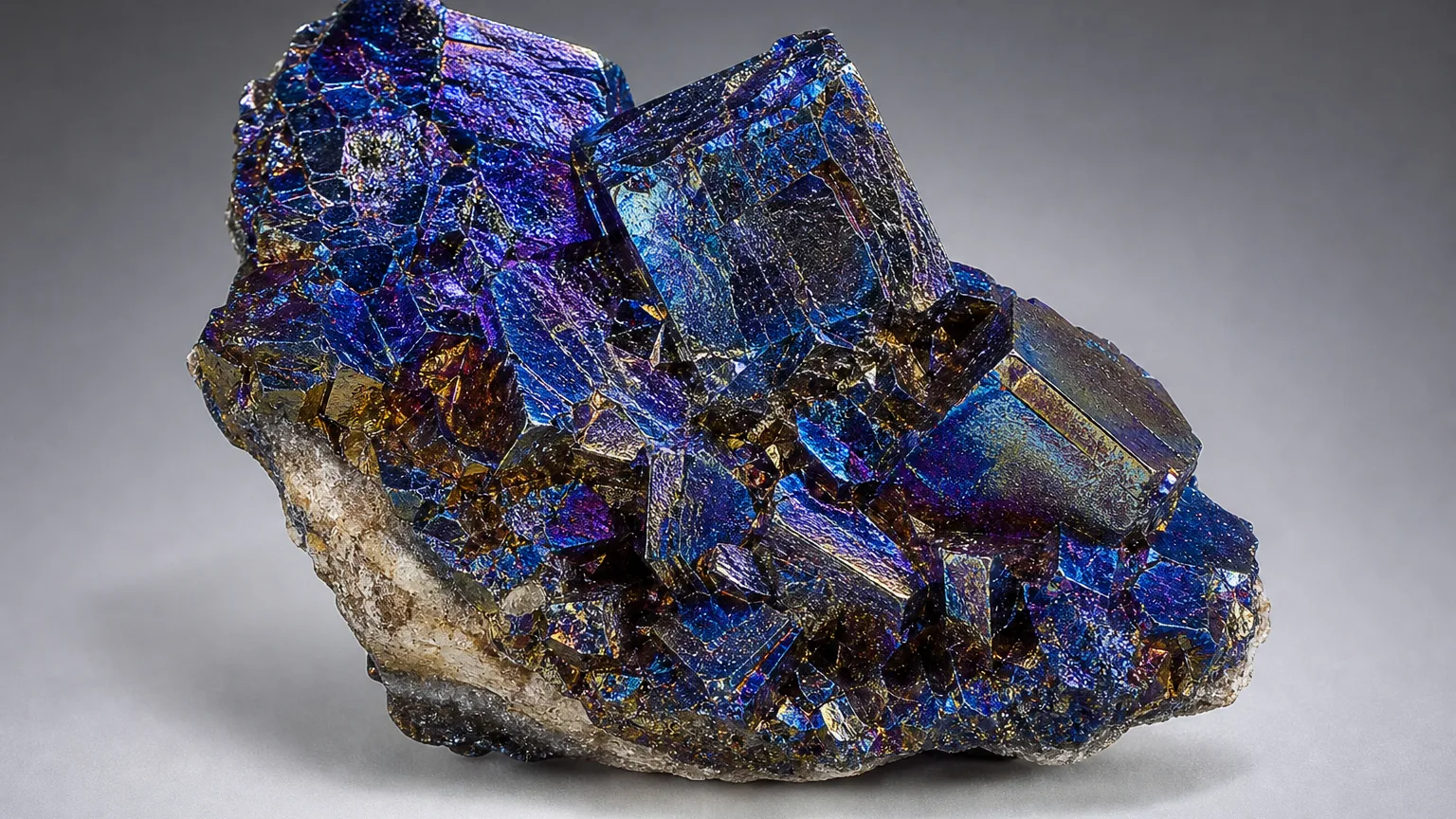
Cobaltite is moderately hard (Mohs 5½) but arsenic-bearing, so it’s best as a display specimen — admired, not worn or soaked. Handle it gently and wash your hands after.
Keep it on display. Metallic cubic crystals on matrix work as décor and a daily “bold spark” cue.
Meditate near it. Sit with its metallic look in view rather than handling it long. Even a few minutes of calm focus counts; the goal is presence, not duration.
Avoid wearing or soaking. Arsenic-bearing; display only, wash hands after, keep it away from children and pets.
Keep it dry-ish. Store it away from acids and long soaks; a brief dust is fine.
Which Cobaltite Form Is Right for You?
| Form | Best for | Choose it if |
|---|---|---|
| Metallic cubic crystals on matrix | Display, collection | You want the classic silver-white cubic or pyritohedral crystals on host rock |
| Massive granular specimen | Display, geology | You want a granular cobaltite mass in ore vein |
| Octahedral crystal cluster | Display, collection | You want a cluster of octahedral crystals to study |
How to Tell Real Cobaltite from Fakes
Cobaltite isn’t faked — genuine pieces are a collector’s niche — but its pyrite-like look can be confusing. A few checks help:
- Cobaltite vs pyrite. Both form metallic cubic crystals, but pyrite is brassy-yellow iron sulfide (FeS₂), while Cobaltite is silver-white cobalt sulfarsenide (CoAsS). Color is the quick tell.
- Weight. At SG ~6.0–6.3, Cobaltite is heavy for its size — denser than pyrite (~5.0).
- Arsenic safety. Handle it as an arsenic-bearing mineral — wash hands after, keep it away from children and pets. A reputable seller will confirm it.
- Hardness. At Mohs 5½, a steel knife barely scratches it — similar to pyrite.
- Reputable seller. Buy from dealers who describe it honestly as a cobalt sulfarsenide from Sweden, Canada, or Morocco.
For a first Cobaltite, metallic cubic crystals on matrix from a reputable dealer is a sound start.
How to Cleanse and Charge Cobaltite
Cobaltite is moderately hard but arsenic-bearing, so it needs gentle, mostly no-contact care. Acids are best avoided. A few safe methods:
- Sound. A singing bowl nearby is the safest cleanse — no contact with the surface.
- Moonlight. A night under the moon is gentle and effective.
- Brief dust. Clean dust with a soft dry brush. Never soak it or use acids.
- Avoid smoke buildup. If you use smoke, keep it light and brief, well away from the specimen.
Things to avoid: acids, water soaking, salt, and handling without washing hands. For the full routine, see our guide to cleansing crystals.
Best Crystals to Pair With Cobaltite
Cobaltite pairs well with other dense, metallic, or bold-energy stones. A few combinations people enjoy:
- Cobaltite + Pyrite — metallic sulfide kin; silver-white cobalt beside brassy iron for vitality and confidence.
- Cobaltite + Carnelian — bold, warm stones for courage and steady vitality.
- Cobaltite + Hematite — dense, metallic minerals for grounding and bold energy.
- Cobaltite + Citrine — bold, warm stones for confidence and an abundant mindset.
The logic of pairing is about complementary character, not strict rules. Pick pieces that feel right together and match the energy you want.
Who Should Use Cobaltite?
Cobaltite suits people drawn to vitality and courage — anyone wanting a heavy, metallic display piece, anyone who loves cobalt minerals and ore geology, or anyone who wants a cue of bold, vital energy on the shelf.
A few honest expectations: Cobaltite isn’t a treatment for fatigue, low confidence, or any condition — if you’re dealing with something persistent, a healthcare professional is the right call. Its meaning is modern and personal, with no ancient healing tradition behind it (though its kobold folklore is real, but not one to recreate). It won’t “do” anything on its own; its value comes from the intention you build around it. It’s moderately hard (Mohs 5½) and arsenic-bearing, so it’s a display specimen — don’t soak it, wash hands after handling, and keep it away from children and pets. Go in expecting a heavy, metallic collector’s piece for vitality and courage, and it tends to fit well.
FAQ About Cobaltite Meaning
What is Cobaltite?
A cobalt sulfarsenide, CoAsS, Mohs 5½, silver-white metallic, pyrite-like crystals. Named from German “Kobold” (mine spirit), it’s a primary ore of cobalt from Sweden, Canada (Cobalt, Ontario), and Morocco.
Why is it called cobaltite?
From the German “Kobold,” a mischievous mine spirit. Medieval miners blamed the Kobold when cobalt ore gave off toxic arsenic fumes instead of yielding silver or copper.
Is Cobaltite an ore?
Yes — it’s a primary ore of cobalt, the metal used in blue pigments (cobalt blue), lithium-ion batteries, and jet-engine superalloys. That’s a real industrial role, not a wellness claim.
Is Cobaltite safe to handle?
It contains arsenic, so it’s a display specimen. Admire it on a shelf, wash hands after handling, and keep it away from children and pets. It’s not for wearing or soaking.
Can Cobaltite go in water?
Brief dampness is fine, but never soak it or use acids. As an arsenic mineral it cleanses best by sound or moonlight.
How hard is Cobaltite?
5½ on the Mohs scale — moderately hard, fine for a display piece but not a worn gem.
What chakra is it linked to?
In modern practice, mostly the sacral and solar plexus centers — vitality, courage, and focus.
Where does Cobaltite come from?
Notable sources include Sweden, Canada (Cobalt, Ontario), Morocco, and Norway — from high-temperature hydrothermal veins.
Final Thoughts on Cobaltite
Cobaltite earns its place as a stone of vitality and courage — and it earns it again for each person who keeps one and gives it a meaning. If you’re curious, the simplest start is one heavy, metallic crystal on a shelf, one intention, and a small daily moment to notice it. You don’t need the finest crystal; you need a piece whose boldness you can feel. Let it sit and do its quiet work, and let the Cobaltite be the metallic reminder that brings you back to steady vitality and the courage to act.
From there, it tends to bring a bolder, more vital presence to a space — a note of silver metal, a cue of courage, or simply the pleasure of keeping the ore behind cobalt blue. For more, explore the Crystal Guide or browse cobaltite pieces.