
Sapphire Meaning: Healing Properties & Uses
Sapphire is the blue form of corundum — one of the hardest and most prized gems on Earth, long tied to wisdom, loyalty, and truth. Wear it, set it where you think; the pages ahead cover what sapphire means, what it’s made of, and how people work with it. Crystal meanings reflect tradition and personal practice, not medical advice.
What Is Sapphire Meaning?
At its simplest, sapphire means wisdom, loyalty, and truth. It’s the blue form of corundum — colored by iron and titanium — whose calm, deep blue reads as the color of clear thinking and steady trust, and which across cultures has been tied to wisdom, focus, and faithful love.
For many people that’s the appeal: a hard, calm blue stone that feels steadying to wear. You don’t need any belief about energy to use it — the value often comes from choosing the piece, giving it a job (“help me think clearly and stay true”), and letting its deep blue pull you toward a clearer, more loyal footing. In that sense sapphire is a cue for wisdom and truth more than anything else.
Sapphire Meaning and Symbolism
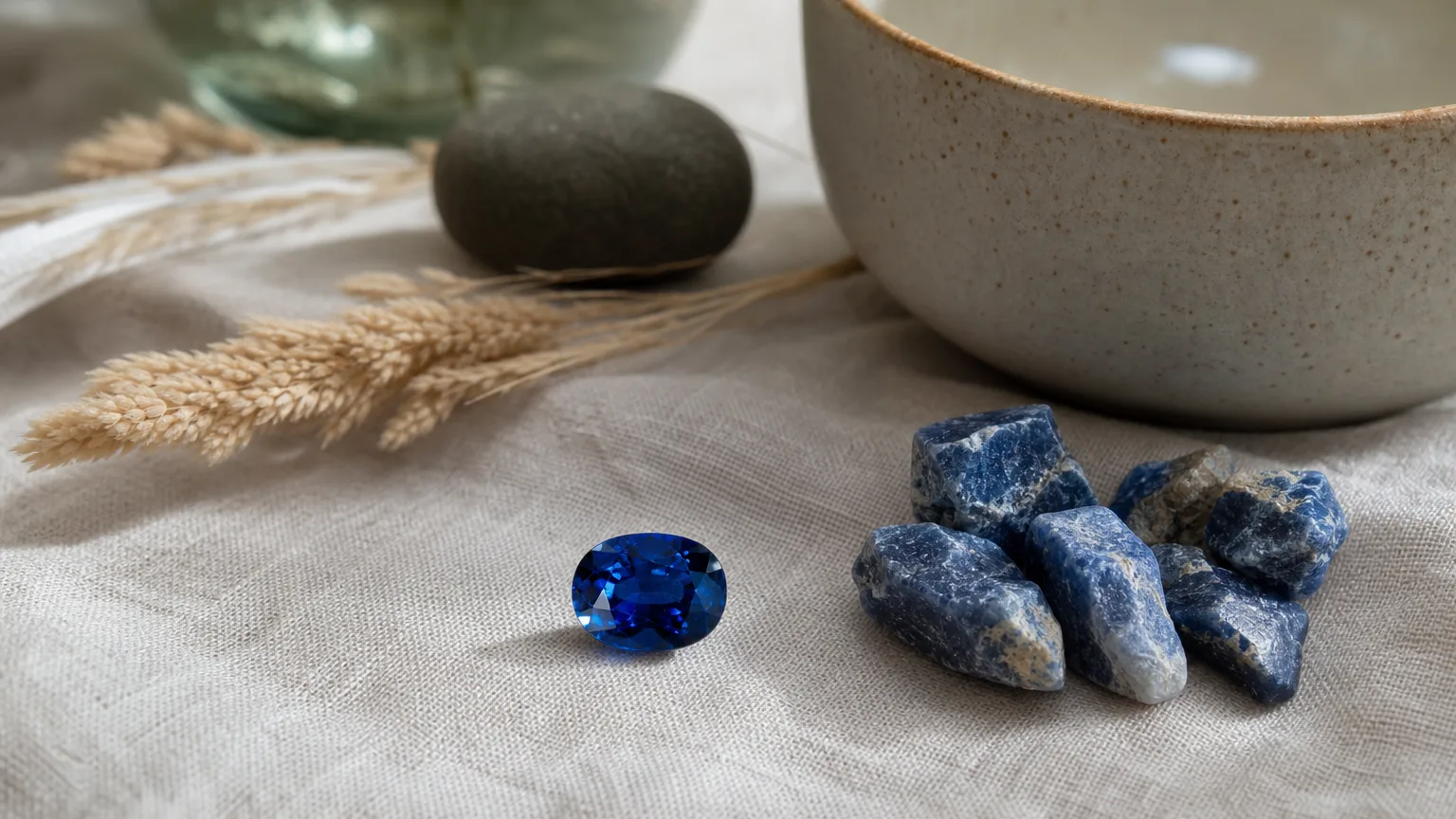
The word sapphire may come from the Greek sappheiros, once used for blue stones generally. Sapphire has been prized since antiquity: ancient Greeks and Romans linked it to the sky and to clear thinking, and in medieval Europe bishops wore sapphire rings as a sign of heaven and purity. In more modern times it became the stone of royal engagement rings — a symbol of loyalty and steadfast love.
The thread through all of it is consistent: wisdom, loyalty, truth, and focus. The calm blue reads as the color of a clear mind and steady trust, and sapphire has long been tied to wise judgment, honest speech, and faithful commitment. It’s the traditional birthstone for September. How much of that lands for you is honestly up to you; the symbolism rests on one of the most valued gems humans have known. To see it in context, read our corundum family guide, or browse the full Crystal Guide.
Sapphire Properties
The Science
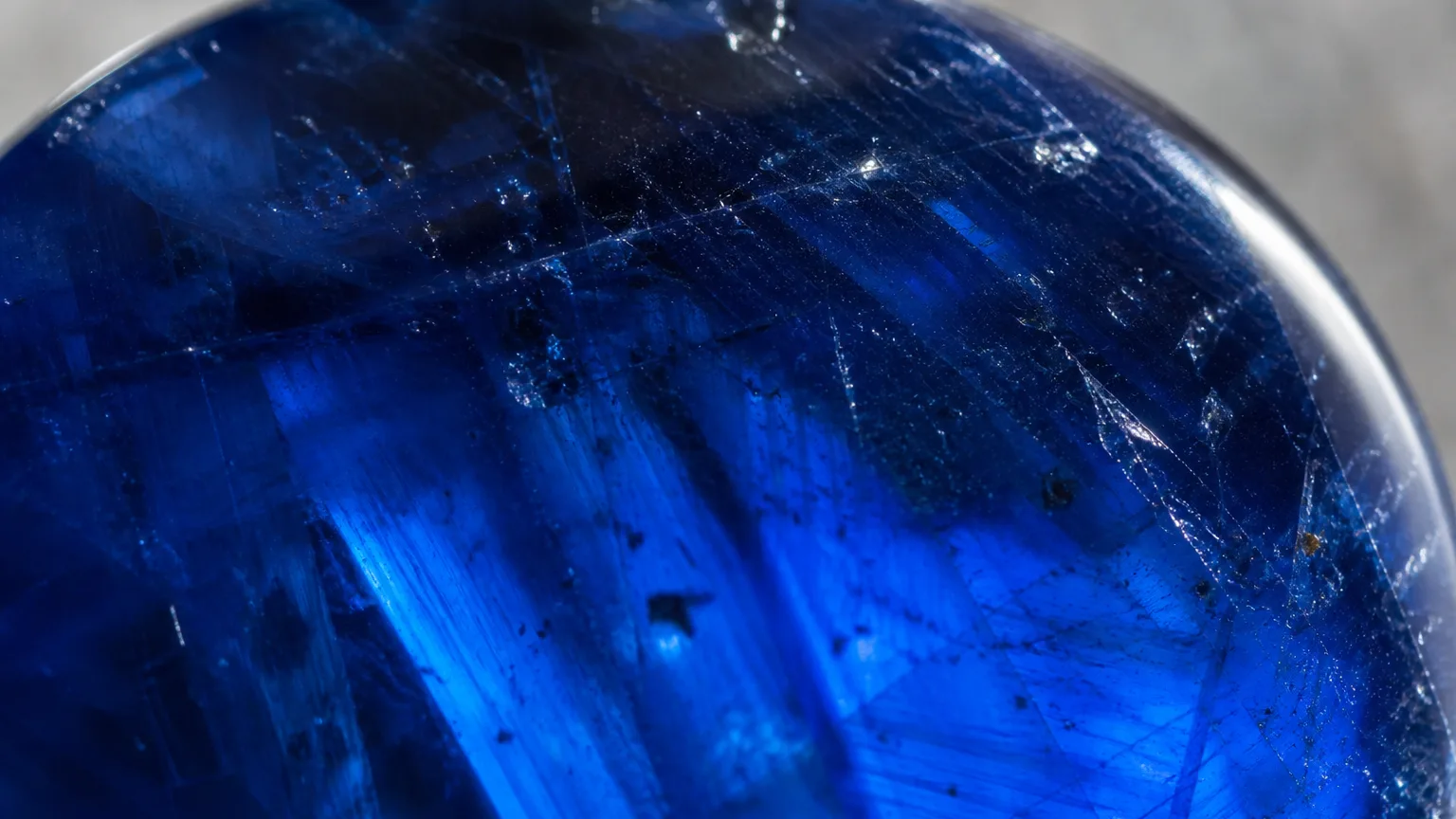
Sapphire is corundum — aluminum oxide, Al₂O₃ — and the classic blue comes from iron and titanium working together in the crystal (a charge-transfer between iron and titanium ions). It forms in the trigonal system and is exceptionally hard: at Mohs 9, only diamond and a couple of rare stones are harder, which is why sapphire lasts so well in rings. One useful point on naming: every color of corundum is called sapphire except red, which is ruby. So sapphire comes in blue (the famous form), plus “fancy” colors — yellow, pink, green, purple, and the rare orange-pink padparadscha. Sapphire has an adamantine to vitreous luster and a specific gravity near 4.0. With aligned rutile needles, a sapphire cut as a cabochon shows a six-rayed star (star sapphire). The most prized blue is “cornflower,” classically from Kashmir; major sources also include Sri Lanka, Myanmar, Madagascar, Thailand, and Australia.
Traditional Meaning
Tradition ties sapphire to wisdom, loyalty, truth, and focus. It’s linked to the third eye and throat centers, and many believe it supports clear judgment, honest expression, and faithful commitment. Across cultures it was the stone of scholars, clergy, and royalty — worn for wisdom and steadfast trust. As September’s birthstone it carries a calm, clear energy in modern practice. These associations come from spiritual tradition and personal practice rather than clinical study.
Mindfulness & Psychology
From a psychological angle, sapphire’s gift is its calm, deep blue as a clarity cue and its weight as a grounding anchor. Blue reads in color psychology as calm, focus, and trust, and choosing the stone for a clarity intention (“help me think clearly”) turns it into a quiet reminder to slow down and see things as they are. The steady color also gives the eye one clean, settled thing to rest on. These effects come from tradition and personal practice, not clinical research. Crystals complement — but never replace — professional care.
Sapphire Benefits
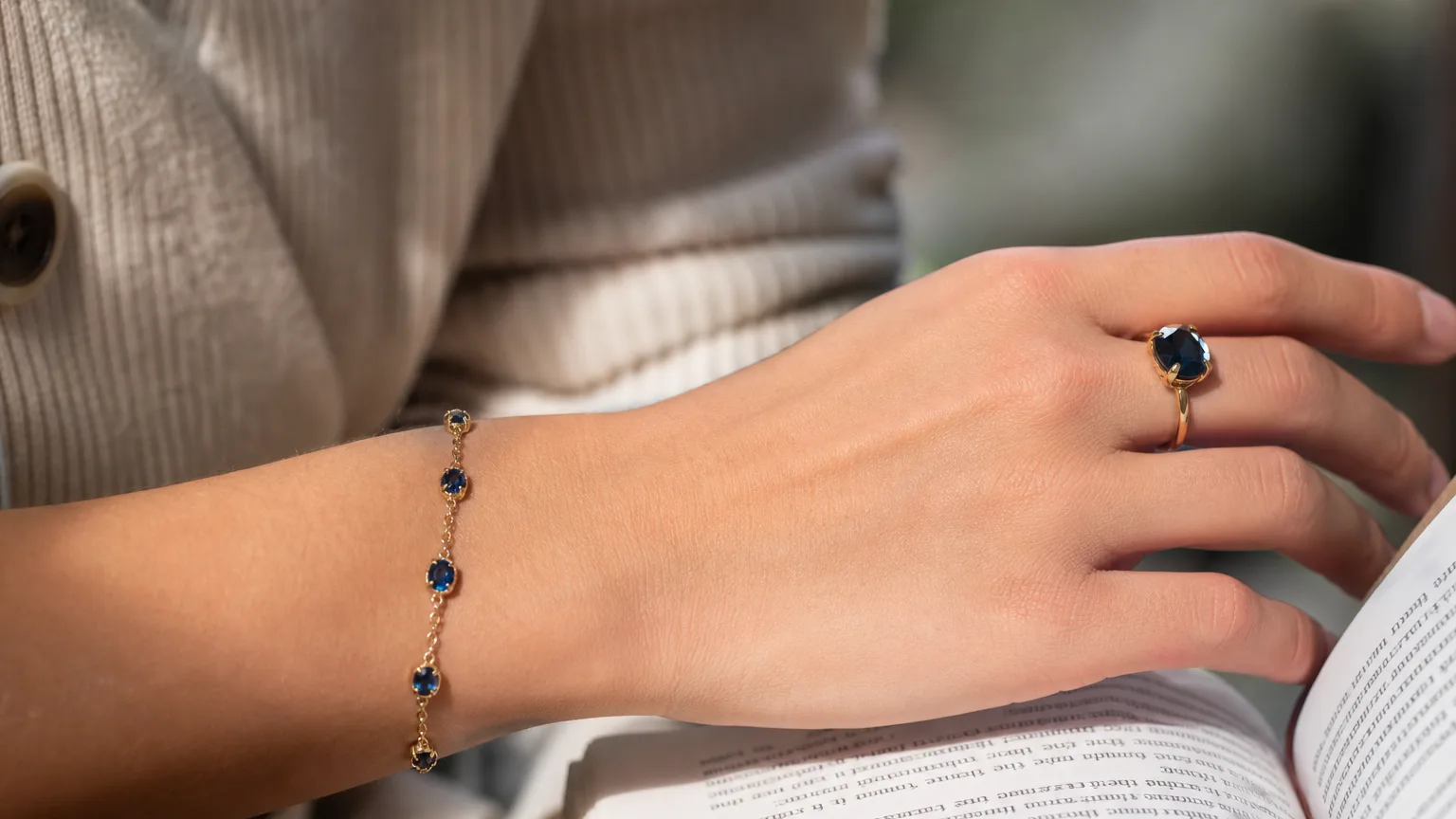
People who work with sapphire usually describe it in terms of clearer thinking and a steadier, more loyal frame of mind, not dramatic shifts. It shows up in the thoughtful moments — the clear call, the steady commitment, the calm focus. A few of the benefits people mention most:
Clearer, calmer thinking
Holding sapphire when thoughts race is a cue toward clarity — its calm, deep blue is a small reminder to slow down and see clearly.
Steady focus
Chosen for demanding work, its clear, settled look becomes a cue for sharp, one-pointed attention through a long task.
Loyalty and trust
Worn as a stone of faithful love, its deep blue is used as a cue for steady commitment and honest, trusting connection.
Calm, truthful speech
Linked to the throat, it’s a gentle cue to speak honestly and calmly — to say the true thing without the sharp edge.
The pattern underneath all of it is the same: sapphire isn’t sharpening your mind by magic — it gives your day a cue toward wisdom, loyalty, and truth. If you’re exploring stones for specific needs, see our guide to crystals for anxiety.
Sapphire Chakra, Zodiac, and Element Associations
In traditional systems, sapphire is most often linked to the third eye and throat centers — insight and clear, honest expression. Astrologers commonly pair it with Virgo, Taurus, and Libra. Its element is usually given as Water or Air, which fits a calm, clear, focused stone. For related stones, see more crystals in the guide.
These are correspondences built up through spiritual tradition, not rules carved in stone. If your own sense of sapphire points to a different center or element, that’s completely fine — many people work with stones by feel rather than by a textbook chart, and there’s a long history of practitioners doing exactly that.
How to Use Sapphire
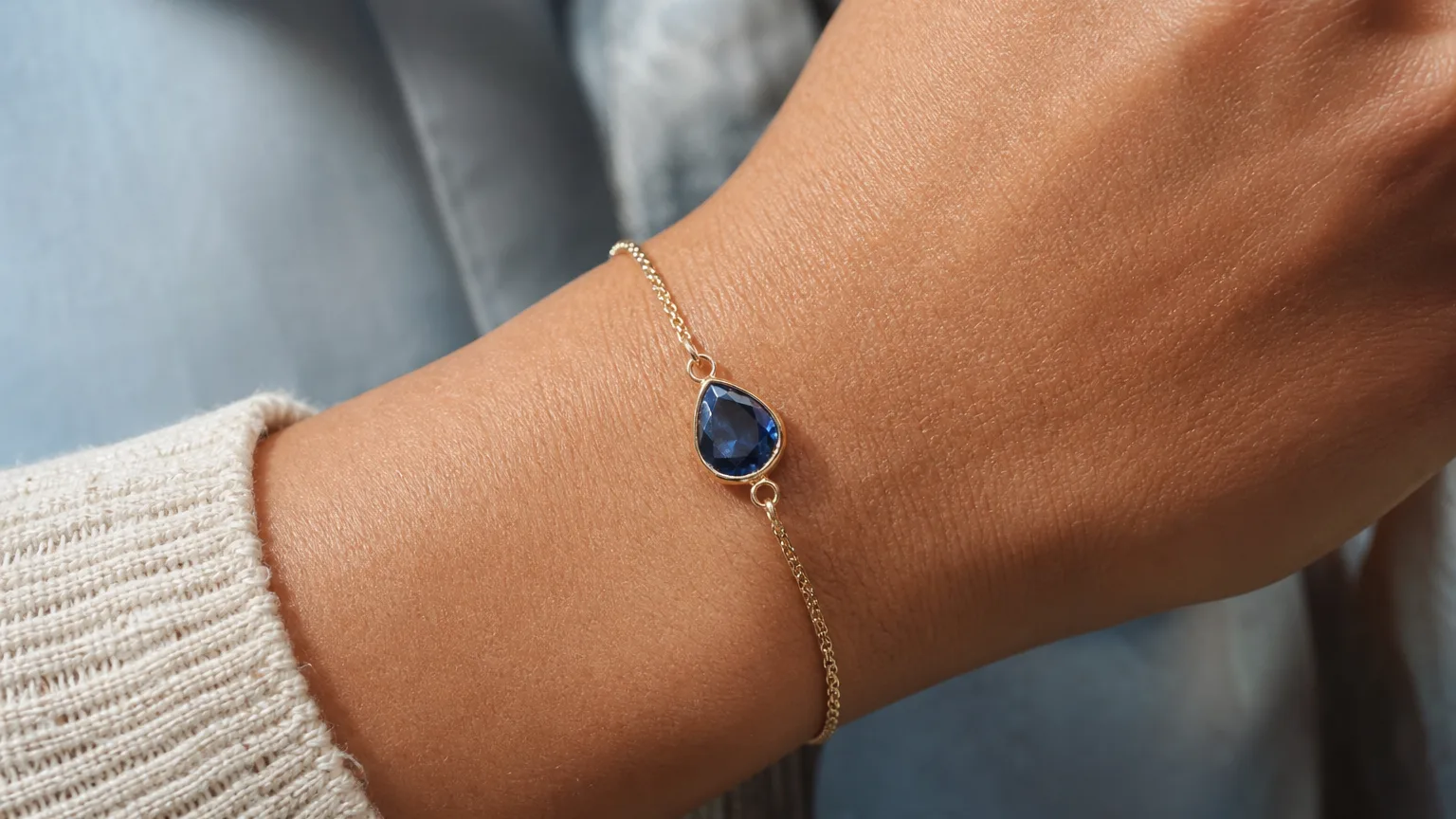
Sapphire is extremely hard (Mohs 9) and one of the most durable stones you can wear, which is why it has been set in rings and royal jewelry for centuries. As always, the key is consistency.
Wear it. A sapphire ring or pendant keeps a calm, clear cue with you through the day. Sapphire stands up to daily wear better than almost any other colored stone.
Hold it. A tumbled or star-sapphire cabochon in the hand is a calm, grounding cue for clear thinking and focus.
Meditate with it. Rest a piece in your palm or near your brow while you sit, and let its deep blue give your attention one settled thing to rest on.
Set it where you think. On a desk or study table, a sapphire is both décor and a cue for calm, one-pointed thinking.
Which Sapphire Form Is Right for You?
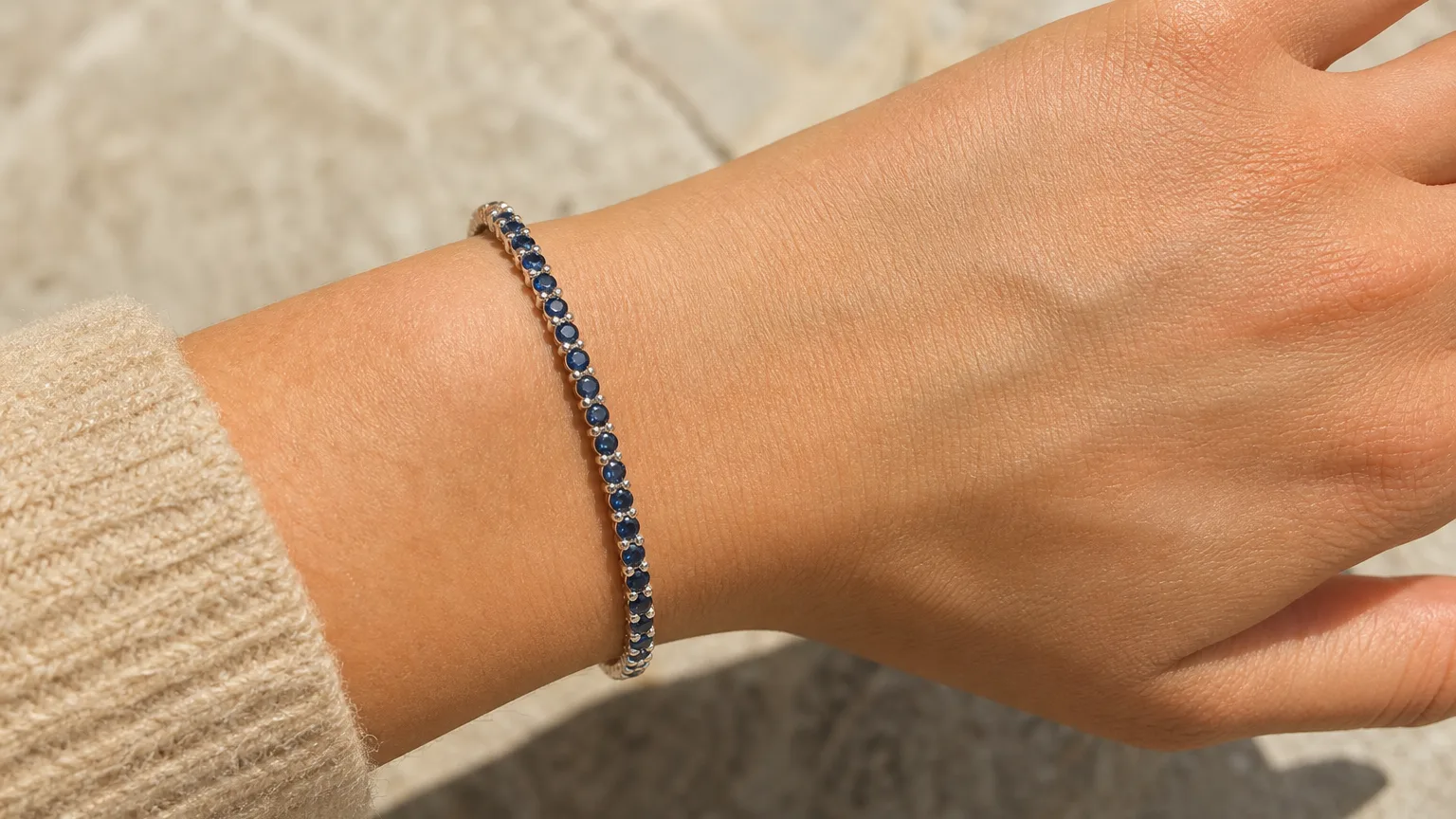
| Form | Best for | Choose it if |
|---|---|---|
| Faceted ring | Daily wearing, focus | You want a hard, calm blue stone on your hand that lasts |
| Pendant | Personal jewelry, loyalty | You prefer a single sapphire worn near the chest or throat |
| Star cabochon | Statement piece | You love the six-rayed star of a star sapphire |
| Bead bracelet | Casual daily wear | You want a relaxed way to keep a calm blue stone at your wrist |
| Tumbled / raw | Pocket, meditation | You want a calm piece to hold or carry |
| Sphere | Desk, room display | You want a hard, calm centerpiece for a space |
How to Tell Real Sapphire from Fakes
Sapphire is valuable, so lab-grown and imitation versions are common. A few checks help you buy well:
- Hardness. At Mohs 9, real sapphire scratches glass and resists a steel knife with ease. Glass, plastic, and softer blue look-alikes won’t.
- Common look-alikes. Blue spinel, tanzanite, topaz, and blue glass can pass for sapphire. Hardness and professional testing separate them; tanzanite, for example, is much softer.
- Lab-grown sapphire. Flame-fusion synthetic sapphire has the same chemistry and hardness as natural — it’s real corundum, just lab-made. It often looks too clean and bright, with curved growth lines under magnification, and costs far less than natural.
- Treatments. Most sapphires are heat-treated to improve color, an accepted practice a good seller will disclose. Surface-diffusion treatment (adding color only near the surface) is a heavier treatment worth knowing about.
- Origin and price. “Cornflower” blue from Kashmir (and fine stones from Sri Lanka and Madagascar) carry high prices. Large, vivid “sapphires” at very low cost are likely synthetic, diffused, or look-alikes.
How to Cleanse and Charge Sapphire
In crystal practice, “cleansing” clears accumulated energy and “charging” refreshes the stone. Sapphire is one of the easiest stones to care for — it’s extremely hard and stable.
- Water. A brief rinse under cool water is fine, and many use running water as part of a cleansing routine. Avoid long soaks in salt water if the piece has metal settings.
- Sunlight. Sapphire is sun-stable, so sunlight is a safe cleansing method.
- Smoke or sound. Passing it through sage or palo santo smoke, or using a singing bowl nearby, is a no-contact option many prefer.
- Moonlight. A night under the moon is a popular gentle method, often paired with setting a clear, steady intention.
Two practical notes: sapphire is hard enough to scratch softer stones, so store it away from them, and wipe it with a soft damp cloth rather than harsh chemicals. For the full routine, see our guide to cleansing crystals.
Best Crystals to Pair With Sapphire
Pairing is about layering intentions — stones whose qualities complement rather than compete. A few combinations that work well with sapphire’s calm, wise energy:
- Sapphire + Corundum — sapphire alongside its wider family; a strong pairing for wisdom and endurance.
- Sapphire + Ruby — sapphire meets its sibling ruby; a balanced pairing for wisdom and passion.
- Sapphire + Amethyst — two stones of calm clarity; a pairing many reach for clear meditation.
- Sapphire + Clear Quartz — calm meets sharp clarity; a clean pairing for one-pointed focus.
The logic here is about complementary intentions, not strict rules. Pick what matches what you’re working on, and trust your own sense of balance.
Who Should Use Sapphire?
Sapphire suits people who want a stone for wisdom, focus, loyalty, and truth — students and thinkers, anyone making careful decisions, or people drawn to its calm, deep blue. It’s a stone that reads as clear and steady rather than bold, which is its appeal for thoughtful, loyal work.
A few honest expectations. Sapphire isn’t a treatment for anxiety, brain fog, or any condition — for anything persistent, a healthcare professional is the right call, and the stone can be a calm comfort alongside that. Its “clarity” is symbolic and traditional, not a measured effect. And fine sapphire carries real prices — a large, vivid “sapphire” at a very low cost is likely synthetic, diffused, or a look-alike. Its value comes from the intention and routine you build around it.
FAQ About Sapphire Meaning
What is sapphire?
The gem name for every color of corundum except red (which is ruby). The classic blue form is colored by iron and titanium. At Mohs 9 it’s one of the hardest natural gems, and it’s the birthstone for September.
Why is sapphire blue?
Iron and titanium working together in the corundum crystal — a charge transfer between the two — produces the blue. Other trace elements give “fancy” colors like yellow, pink, and padparadscha.
Do sapphires come in other colors?
Yes. Every color of corundum is sapphire except red (ruby). “Fancy sapphires” include yellow, pink, green, purple, and the rare orange-pink padparadscha.
How is sapphire different from tanzanite?
Different minerals and hardness. Sapphire is corundum (Mohs 9); tanzanite is a much softer zoisite. Both can be blue, but they’re quite different stones.
Can sapphire go in water?
Yes — it’s very hard and stable. A brief rinse is fine; avoid long salt-water soaks with metal settings.
What chakra is sapphire?
Traditionally the third eye and throat centers — insight and clear, honest expression.
Are sapphires treated or lab-grown?
Most natural sapphires are heat-treated (accepted, disclosed). Lab-grown sapphire is real corundum, just made in a lab and cheaper. Surface-diffusion treatment also exists.
What is Australian sapphire?
Australian sapphire is corundum from Australian deposits, often deep blue to dark blue-green. It is the same sapphire mineral, named for its origin. Burmese sapphire is corundum from Myanmar (Burma), often fine blue. It is the same sapphire mineral, prized for its origin and quality.
Final Thoughts on Sapphire
Sapphire earns its place as a stone of wisdom, loyalty, and truth — and it earns it again each time its calm blue steadies a busy moment. The simplest start is one piece you’ll actually wear or hold, paired with a small daily moment to notice it. You don’t need the largest stone or the rarest cornflower; you need a stone you’ll actually see and use.
From there, sapphire tends to offer a clearer day — sharper thinking, steadier trust, a habit of seeing things as they are. For more, explore the Crystal Guide or browse sapphire pieces.