Is The Devil a Yes or No Card for Decisions?
Is The Devil a Yes or No Card for Decisions?
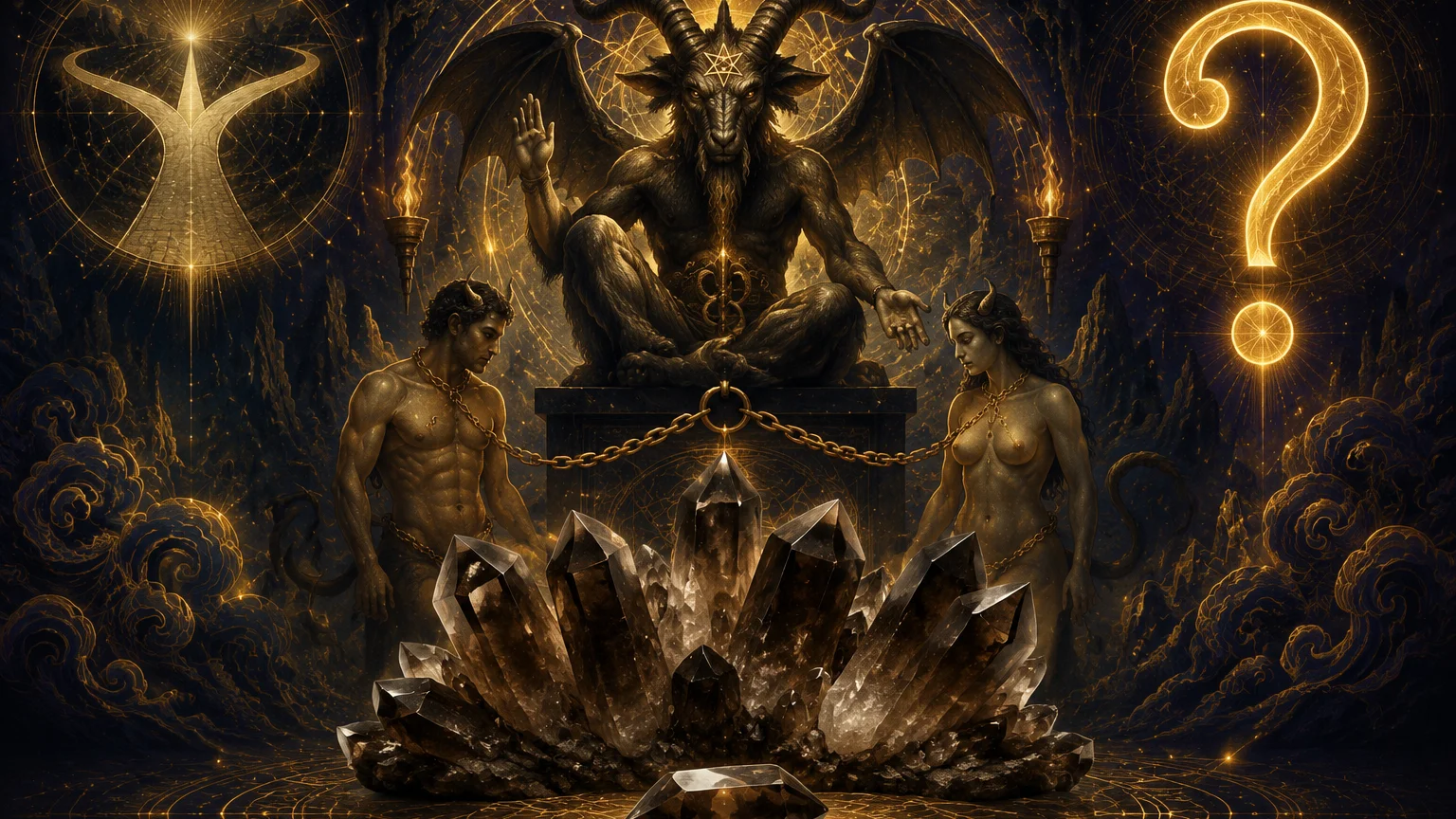
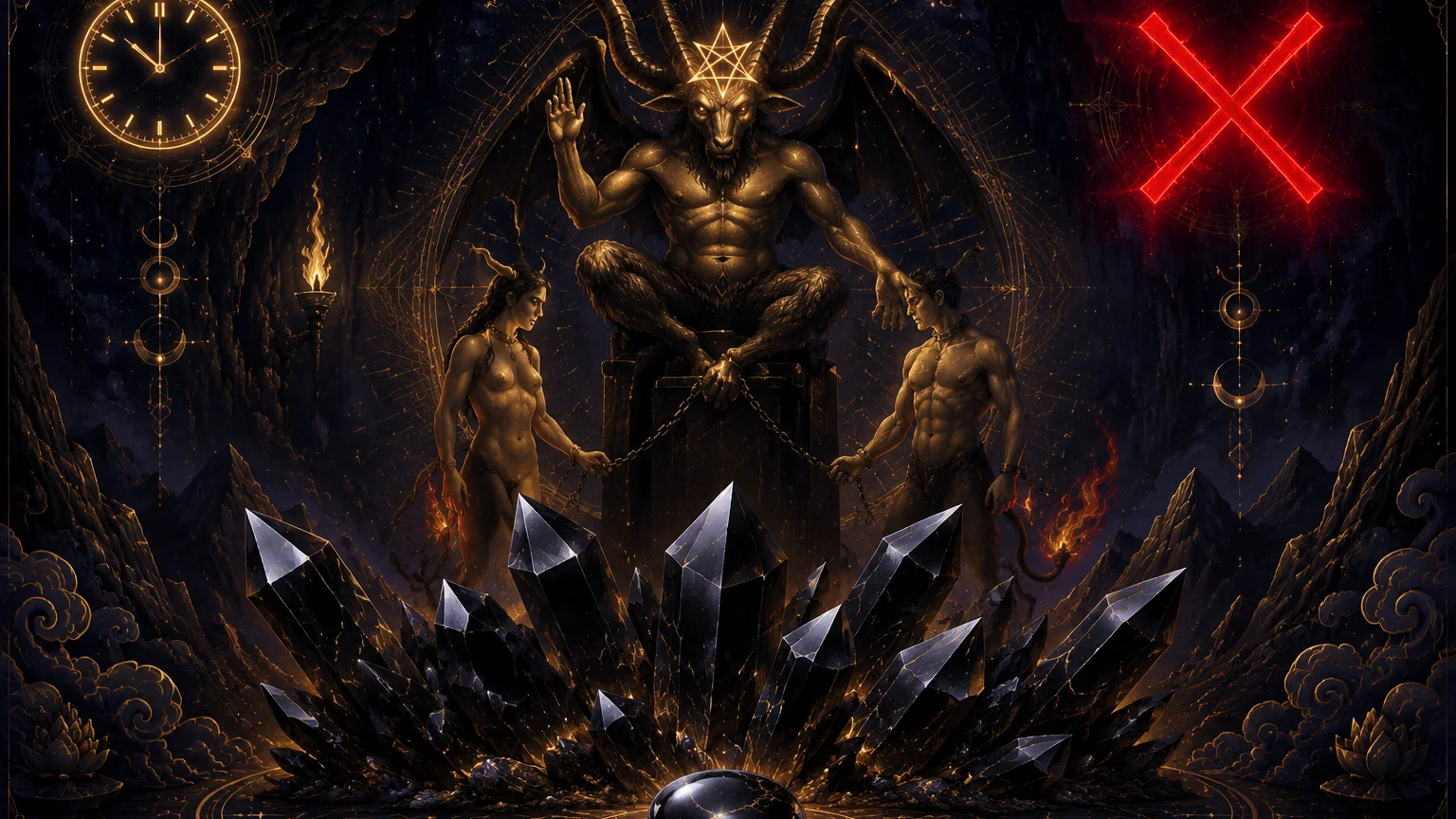
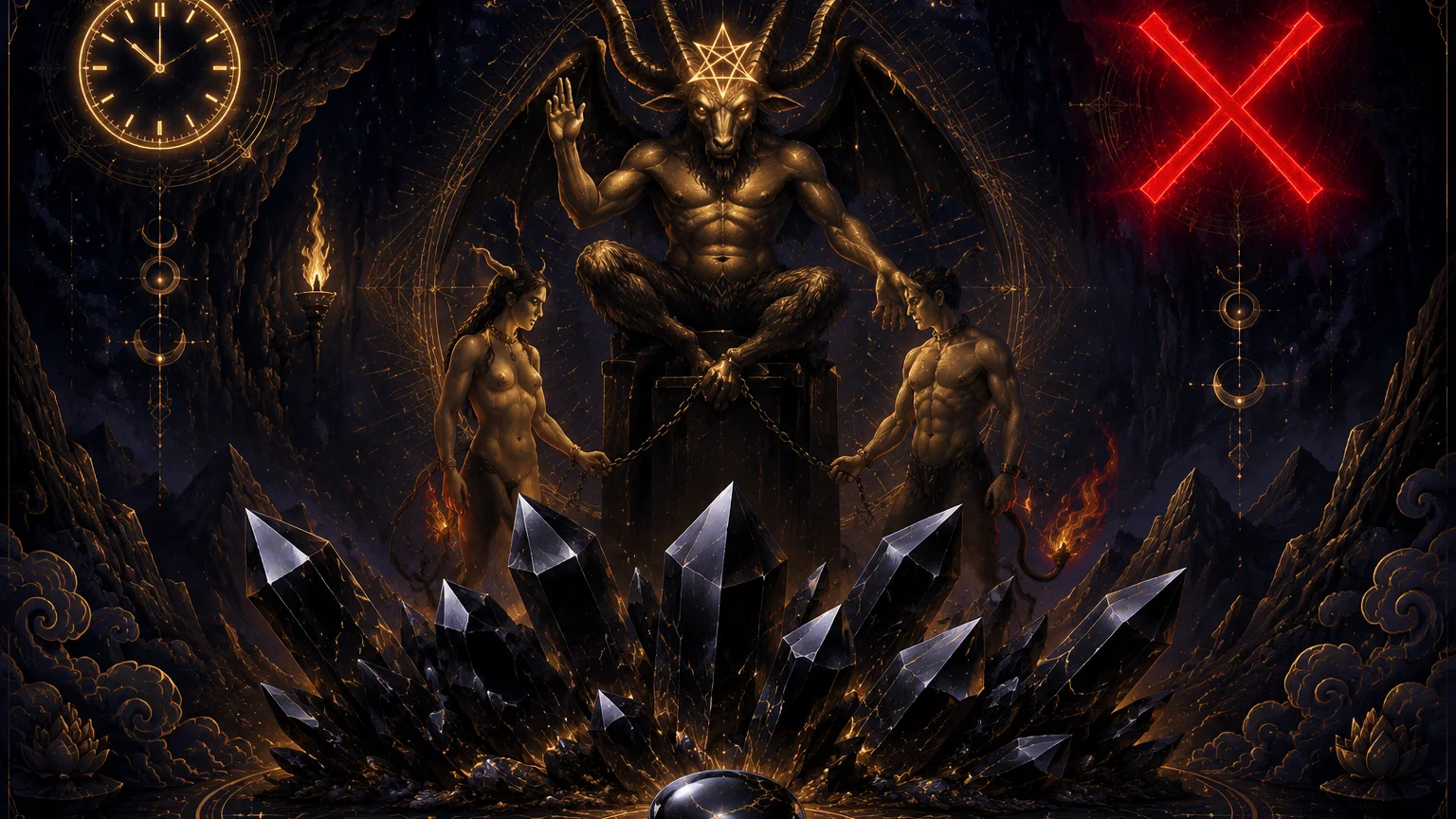
The Devil is the card that makes people uncomfortable in a decision reading — and that discomfort is exactly what the card is for. Its work is not to condemn but to name the chain: the attachment, the compulsion, the self-limiting story that may be driving the choice. So is The Devil a yes or no card for decisions? The honest answer is: a conditional, and one that turns entirely on awareness — no while the choice is driven by compulsion, yes once you have seen the attachment and are choosing freely.
Quick Answer
The Devil is a conditional for decisions. It leans no for choices driven by attachment, craving, or a self-limiting story — the compulsion is the very chain the card names. But it leans yes for the choice made once you have seen the attachment clearly and are choosing freely rather than from the pattern. The verdict hinges on awareness: The Devil’s gift is shadow-knowing, and the same card that says no to the compulsive choice says yes to the free one made after the chain has been seen.
Is The Devil Generally a Yes or No Card?
Across all questions, The Devil leans conditional — and specifically toward awareness-dependent. Its archetype is the shadow-knower: the one who names what binds, the keeper of the patterns that drive behavior from beneath conscious choosing. Upright, this energy is genuinely informative — it exposes the attachment, the compulsion, the self-limiting story, so that the pattern can be met honestly rather than acted out blindly.
But The Devil is never a comfortable card, and that is the whole point. Its wisdom lives in the distinction between seeing the chain and being the chain. The upright Devil exposes the attachment — names the craving, the compulsion, the story — so that awareness becomes possible. Reversed, or in its shadow, the same energy is the chain unseen: the pattern driving choices from beneath the surface, the attachment mistaken for desire, the compulsion experienced as authentic wanting.
So when readers ask whether The Devil is generally a yes or no, the truthful answer is: no, where the choice is being driven by the compulsion; yes, where the attachment has been seen and the choice is now free. The card itself does not supply the awareness — it points to the pattern and asks whether you are willing to look at it. The Devil’s gift is the recognition that the chain is loose, and the verdict follows whether you are seeing the chain or being moved by it.
This is why the card leans so specifically conditional across questions. For decisions, the verdict follows awareness — no for the compulsive choice, yes for the free one. For timing, the urgency beneath the question is the card’s exact signature, and it leans no on acting from compulsion. The Devil’s verdict is always about what is driving the choice — and it refuses to bless the decision made from the unseen pattern, however much the pattern feels like authentic desire.
The Devil for Decisions: Yes or No?
In decisions specifically, The Devil leans conditional — and the condition turns entirely on awareness. The card’s archetype is the pattern that binds, and its whole concern is whether the decision you are making is being driven by attachment or by free choice. If you are facing a decision and asking which path to take, The Devil may be telling you that the first question is not which option — it is what is driving the wanting behind the choice.
But decisions are also where The Devil’s energy is most easily misread, because compulsion and authentic desire wear similar surfaces here. The same intensity that can drive a free, chosen commitment can also drive a compulsive choice — the option pursued because of attachment rather than genuine alignment, the path taken because of craving rather than real wanting, the decision made from a self-limiting story experienced as authentic preference. The Devil’s gift is the willingness to look at what is actually driving the choice; its shadow in decisions is the compulsion mistaken for desire.
So the verdict splits along a clear line:
- The Devil leans no for decisions driven by compulsion. If the choice is being made from attachment, craving, or a self-limiting story — pursued because of the pull of the pattern rather than from free choosing — The Devil refuses to bless it. The no is not a punishment; it is the card pointing out that the chain is driving the decision, and acting on it would mean the pattern choosing rather than you.
- The Devil leans yes for decisions made once the attachment has been seen. If you have looked honestly at what was driving the wanting, recognized the chain, and are now choosing freely rather than from the compulsion, The Devil blesses that free choice. The yes is for the awareness, not for any specific option.
There is a subtler reading. The Devil sometimes appears for a decision when the work is not really about the options at all — when the card is asking whether you have even looked at what is driving the wanting behind the choice. In that case the verdict waits on the awareness: until the chain has been seen, no option can be honestly chosen, because the pattern is doing the choosing.
The card does not promise that the free choice will be effortless, or that seeing the chain guarantees a particular outcome. What it points to is what is actually driving the decision — whether you are choosing freely or being moved by a pattern you have not yet examined. Decision readings want a clear directive; The Devil offers something more honest: a question about what is really behind the wanting.
What Would Shift It to Yes or No?
Because The Devil is conditional, the question is not whether it will become a yes or a no — it is which one it already is, depending on whether the choice is driven by compulsion or by awareness.
The conditional no applies when the decision is being driven by the pattern. This is not the same as wanting something strongly — strong wanting can be authentic. But there is a difference between desire that is freely chosen (which The Devil does not condemn) and craving that is experienced as desire (which the shadow serves). If you find that the wanting has a compulsive quality — that it returns regardless of your choosing, that it feels driven rather than chosen, that it has the texture of attachment rather than preference — The Devil’s no leans toward you with full weight.
The conditional yes becomes available when the attachment has been seen and the choice is now free. If you have looked honestly at what was driving the wanting, recognized the chain, and are now choosing from awareness rather than from the compulsion, The Devil’s yes becomes available. The card blesses the choice made after the shadow has been met, not the choice made from the shadow unexamined.
Smoky quartz as a reflection support. Some readers like to hold or wear smoky quartz when working with The Devil in a decision reading — not to change the verdict, but to support the grounding and clear seeing the card asks for. Smoky quartz is traditionally associated with grounding difficult energy and with the steady clarity to look at what is hard, and used as a focusing object it can help you sit with the question is this choice being driven by authentic desire, or by a pattern I have not yet examined? The crystal does not turn a no into a yes. It supports the honest inner reading that lets you tell whether the wanting is free or compulsive.
The shift, in other words, is not in the card. It is in whether you are willing to look at what is driving the choice — which is exactly what The Devil has been asking of you all along.
Free Will, FAQ, and a Note on Outcomes
Cards reflect current energy and patterns, not fixed outcomes — you always have free will to shape what happens next. For The Devil, the card may point to a conditional verdict that turns on awareness, but whether you examine the pattern behind the wanting — and whether you choose freely once the chain has been seen — is your choice. No card decides for you; it clarifies the moment you are standing in.
FAQ
Is The Devil a yes or no card when reversed?
Reversed, The Devil tends toward the chain unseen rather than a flat no. The reversal often points to a pattern driving the choice from beneath conscious awareness — the compulsion mistaken for desire, the attachment experienced as authentic wanting. Reversed does not mean cursed or doomed; it means the awareness the upright card asks for has not yet been made, and the card is inviting you to look.
Does The Devil mean the choice is bad?
No — and any reading that condemns the option outright is overreaching. The Devil points to what is driving the choice, not to the inherent worth of the option. The same decision can be a no when driven by compulsion and a yes when chosen freely after the pattern has been seen.
Can The Devil be a yes once I have seen the pattern?
Yes, often — because the awareness is exactly what the upright card blesses. The Devil does not demand that you abandon the wanting; it asks that the wanting be free rather than compulsive. Once the chain has been seen and the choice is made from awareness, the same card leans yes.
Common Mistakes Reading The Devil for Decisions
A few classic misreadings tend to flatten this card in decision readings:
- Reading The Devil as a flat no or a curse. The card is conditional, and the condition (awareness) is the whole point. Treating it as condemnation skips the shadow-work the card exists to demand.
- Confusing desire with compulsion. Strong wanting can be authentic; The Devil concerns itself with compulsive wanting mistaken for desire. The difference is in whether the wanting is freely chosen or driven by a pattern.
- Reading the card as evil. When The Devil points to attachment, it is not a bad omen — it is a mirror. The card’s gift is the naming of the chain; its shadow is the chain mistaken for the self.
- Treating smoky quartz (or any crystal) as a fix. Crystals support reflection; they do not change verdicts. If the card leans no because the choice is compulsive, no crystal flips it to a free yes.
Read honestly, The Devil for decisions is one of the most exacting mirrors in the deck: it asks whether your choice is being driven by a pattern or by awareness, and it leaves the looking — and the free choosing — to you.
Shop Crystals for This Guide
Explore crystal jewelry and stones from our current collection.


Om Mani Padme Hum Copper Ring


Om Namah Shivay Mantra Copper Bangle


Fair Trade Astamangala Copper Bangle
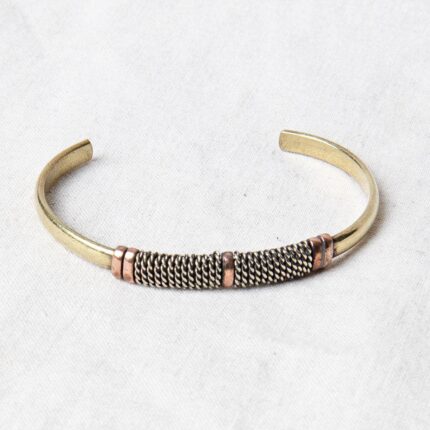

Tibetan Handcrafted Copper Bracelet
Shop Crystals for This Guide
Explore crystal jewelry and stones from our current collection.
Om Mani Padme Hum Copper Ring
Om Namah Shivay Mantra Copper Bangle
Fair Trade Astamangala Copper Bangle