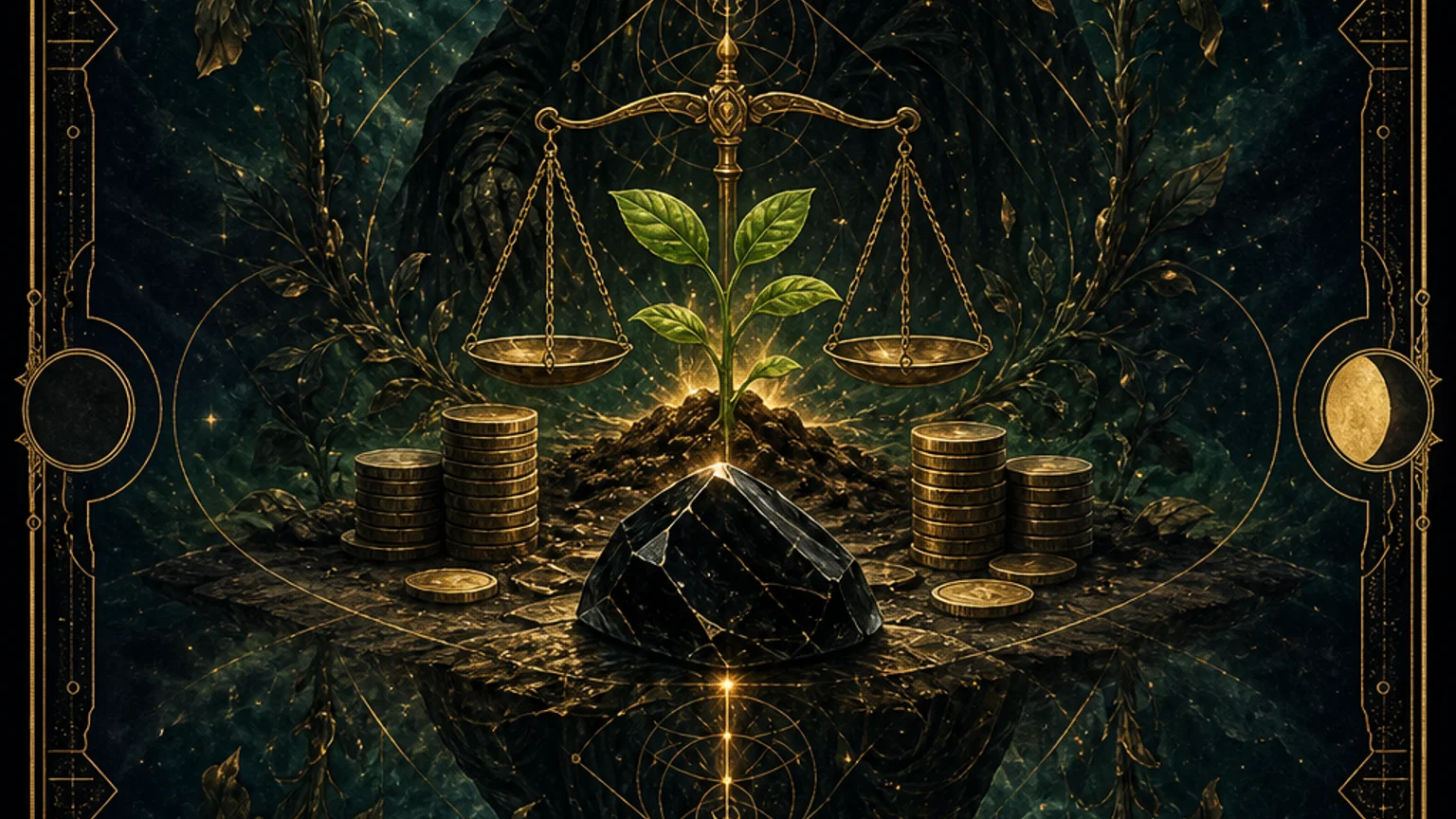
Death Reversed in Finances at a Glance
Death Reversed in Finances at a Glance
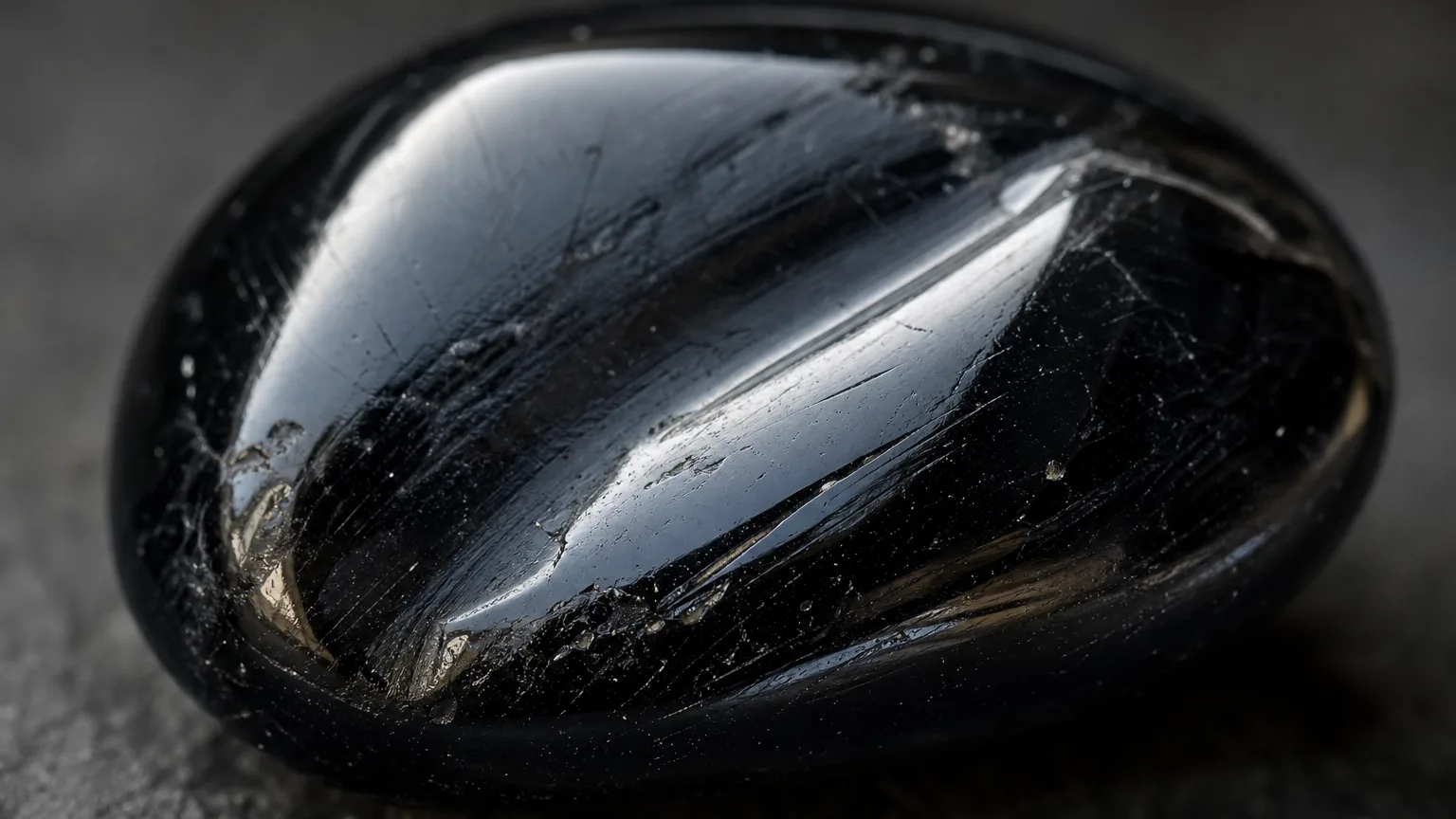
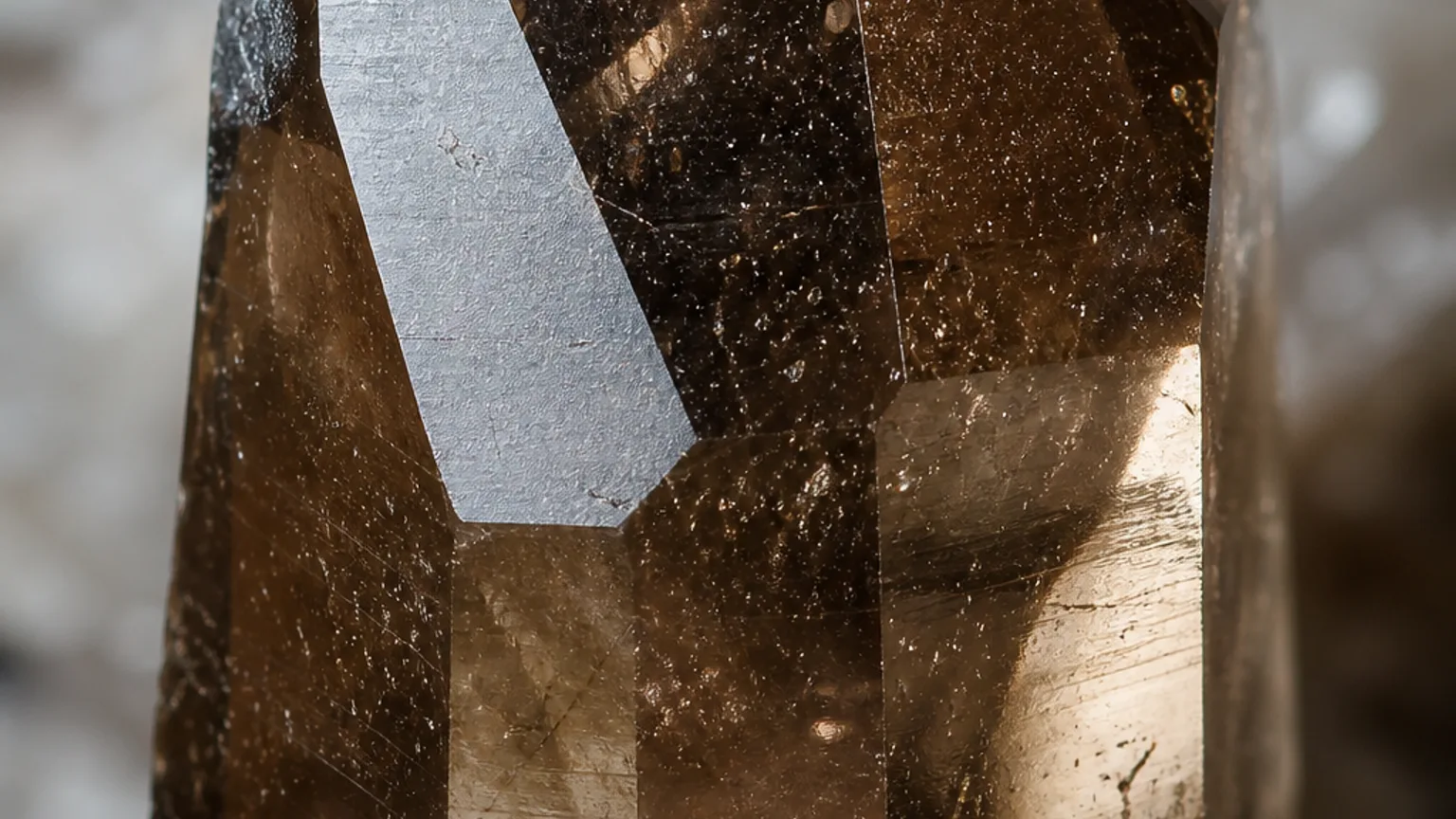
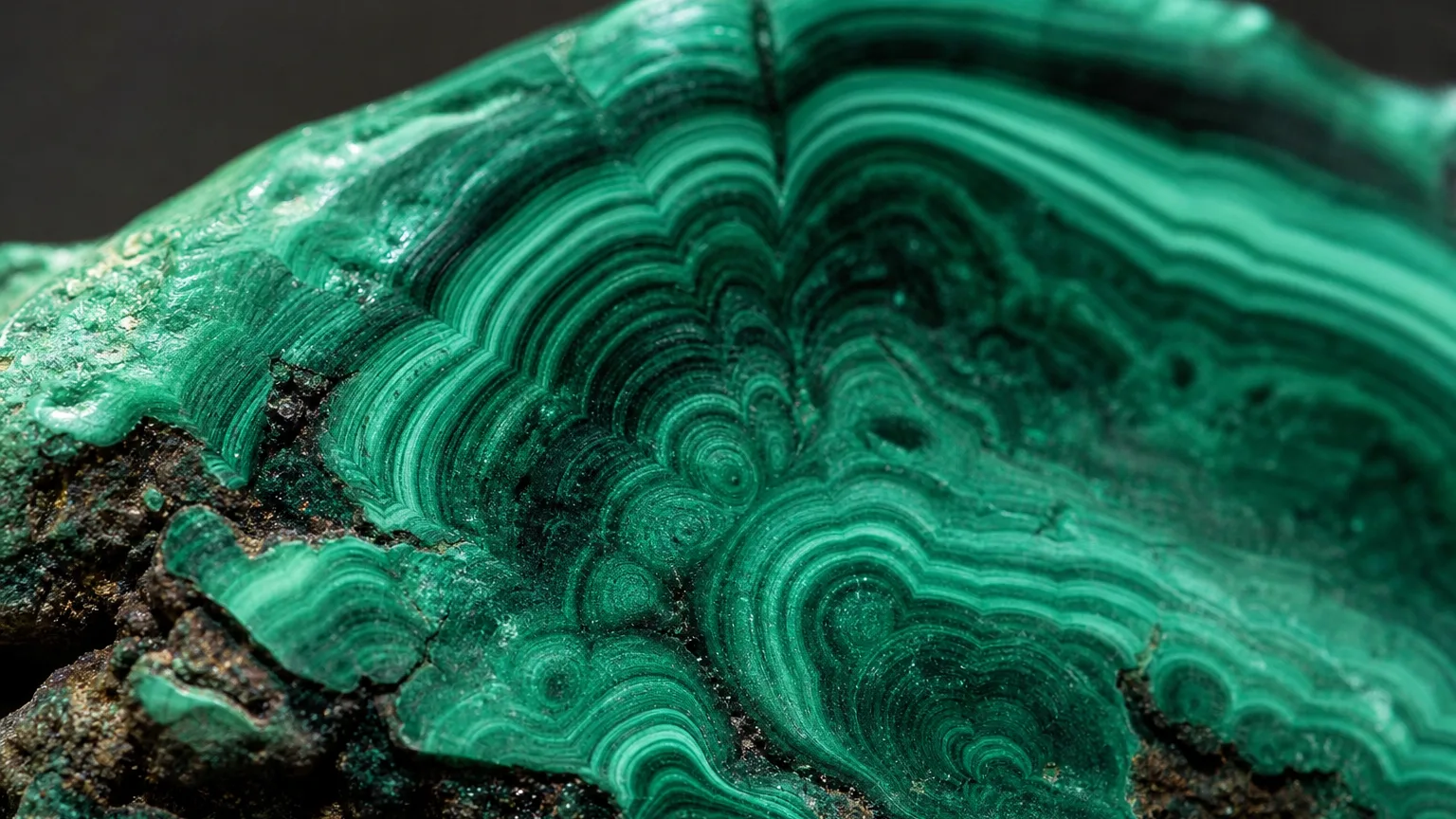
Death reversed in a money reading does not predict ruin, and it is not a market call against you. It points to the shadow side of financial transformation: the resistance — keeping an asset, an income source, or a venture on life support long after it has completed. It is an invitation, not a forecast: what am I still feeding that has already finished, and what does the close actually cost me while I delay it? Crystals for the unclenching: Obsidian (face the write-off honestly), Smoky Quartz (loosen the grip), Malachite (the rebuild that follows).
Featured Snippet. Death reversed in finances signals resistance to a financial close that has already happened — usually a dead asset, a failing income source, or a debt chapter being prolonged past its time. It is not a prediction of loss or a forecast of ruin. The growth edge is to ask what you are keeping alive only by continued investment, and to let the write-off clear the books so the next structure can form.
Reversed Death in Finances
When Death arrives upside-down in a money reading, it does not show up to predict loss. Tarot never predicts a specific market outcome, and there is no crystal that guarantees returns. What reversed Death names is a posture: you are prolonging a financial structure — an income source, a venture, a line of credit, a “this will turn around” — that has already completed its season.
Look at the figure most money readings skim past: not the skeleton, not the fallen king, but the pale horse the rider sits on, advancing at its own unhurried pace. That steady horse is the shadow-teaching of reversed Death for finances. The clearing moves forward whether you grip or not; the loss, in most cases, has already happened. Reversed Death is what it looks like when you plant yourself in front of that horse — demanding it stop, or demanding it hurry, or pretending you can steer it by feeding the very thing it is here to clear. You cannot. The write-off has its own pace, and the cost of standing in front of it is measured in the months (or years) of additional capital, attention, and faint hope you pour into something already gone.
The resistance takes three recognizable shapes:
- Sunk-cost feeding. You keep putting money, time, or attention into an asset or venture whose numbers died quarters ago, because you have already invested so much that stopping feels like admitting the loss. The irony: the loss already happened. Continuing to feed it only deepens it.
- “One more push” delusion. A specific, seductive thought: if I just put in a little more, it will finally turn. This is the reversed card’s most expensive disguise, because it dresses avoidance as diligence. One more push is rarely the push that turns a dead asset; it is the push that delays the write-off another quarter.
- Delayed write-off. You know the line needs to close — the unprofitable side hustle, the failing product, the debt that is not really “under control.” But closing it means looking at the number honestly, so the close gets postponed. The books stay murky, and the capital trapped in what is already gone stays trapped.
What reversed Death makes visible — without sentencing you — is the real cost of the delay. A dead asset kept on life support is not neutral. It is actively consuming the money, energy, and decision-space that the next, viable structure needs. The card does not say you are going to lose. It says: something here has already completed; the only question is whether you take the close cleanly now, or let it bleed slowly for another year. Continuing to feed a dead structure is never the prudent call — and that, precisely, is the reversed reading.
The Shadow Aspect
The deeper shadow of reversed Death in finances is not bad judgment about money. It is a confusion between hoping and managing.
Managing money means acting on what the numbers actually are. Hoping means acting on what you need them to become. Reversed Death lives entirely in the second register. The venture is not being evaluated; it is being defended — and the defense feels responsible, because it is dressed in the language of commitment and perseverance. But perseverance applied to something that has already completed is not virtue; it is the slowest, most expensive way to take a loss.
There is a second layer, and the reversed card wants it seen. Often the resistance is not really about the money. It is about what the asset represents — the business you built, the identity of “someone with this income source,” the years already invested, the story of yourself as the person who made this work. You are not clinging to the asset; you are clinging to the version of your financial self that the asset was holding up. This is why the delay feels disproportionate to the dollars: you are not just protecting a position, you are protecting a mirror.
This is exactly why reversed Death is not a bad sign, and not a forecast of ruin. A curse would sentence you to loss. This card does the opposite — it returns your agency. It says the close has already happened; the only lever left in your hands is whether you will keep spending your life-capital on a form that has completed, or whether you will take the write-off, clear the books, and let the next structure have the space and the resources to actually form.
Turning It Around
The transformation reversed Death offers is not “liquidate everything.” It is honest accounting — separating what is still alive from what is being performed, and letting the close happen at its own pace rather than fighting it.
- Audit without flinching. Look at the asset, venture, or line in question as it actually performs today — not at its best quarter, not at the version in your head. Where the number has been dead for two or more cycles, that is a close waiting to be honored.
- Separate the loss from the identity. Ask honestly: am I prolonging this to protect money, or to protect the story of myself as the person this asset made me? Both are real; only the second one keeps you stuck.
- Let the write-off clear the books. Closing a dead structure is not a failure of discipline — it is the discipline. The capital, attention, and decision-space released by the close is exactly what the next viable move needs.
Treat this reading as symbolic guidance rather than investment advice — a mirror of your financial posture, not a prediction of markets or a recommendation to buy, sell, or hold any position.
Crystals for Reversed Death in Finances
Obsidian. Death’s signature stone — the unflinching mirror, and the one reversed Death asks for when the numbers are being avoided. Where the gentle reading lets you keep “one more push” alive, Obsidian holds you to the plain figure: the dead line, the write-off you keep postponing, the asset whose season ended quarters ago. Hold Obsidian when you need to look at the books honestly without the softening that lets avoidance pass for patience. It is not a wealth stone and it does not promise returns — it is the truth-telling stone for the close you already know is due. (See also the upright Death for Finances reading, where Obsidian faces the write-off that clears the books.)
Malachite. Reversed Death in finances is, at root, a transformation that is being resisted — and Malachite is the stone of deep transformation, the surfacing of what is ready to shift. Hold it when the resistance feels stuck and you cannot tell whether a structure is still viable or only being defended; it supports the sometimes uncomfortable clarity that real change asks for. It is the stone for the rebuild that follows an honest close — not a “draw money fast” promise, but a companion for the patient work of forming the next structure on truer foundations. It pairs with the Smoky Quartz action below — Smoky Quartz to loosen the grip, Malachite to support what wants to form once the grip releases.
Working with Reversed Death in Finances
One action. On paper, list the asset, venture, or financial line you suspect has already completed — and beside it, write how long its numbers have been dead (in quarters or months). The length of that second column is the cost of the delay, made visible. This is not a decision to close; it is the honesty that any decision has been waiting for.
One reflection question. Am I feeding this because it is still viable, or because stopping would mean facing what I have already lost? Sit with it for a full day before acting. The two feel almost identical on the surface; underneath, they point to opposite next steps.
One crystal use. Hold Smoky Quartz for three minutes before you sit down to look at the books honestly. Smoky Quartz is the stone for gently releasing the energy that is being clutched past its time — a tactile cue to loosen the grip on what has already ended, not a “turn the asset around” ritual. It is a grounding anchor for the unflinching look that reversed Death is asking you to take.
Death Reversed in Finances: Eastern View
财气之道,非只在聚,亦在散与化。五行偏财之论里,财有生克,势有起落;落日非财尽之兆,是气脉转折之相。
Death 的苍白马意象在财务逆位之处并非凶兆——它指向你账上”已成骷髅”的那一部分:那个早已枯死、却仍由你输血续命的死资产、烂账、亏损项目。东方讲”取之有道”——道之一字,亦含”知止”。逆位的功课,不是判你财气散尽,是提醒你:抱着骷髅去输血,输不回活气,只空耗本可另起炉灶的本钱。
一个具体行动:今晚不问”这笔还能不能回本”,而是问”我账上,哪一处是活的,哪一处是我在替它续命”。把替死去部分续命的力气和本钱撤回,给那个还活的方向。这一问不是叫你抛售,是把已经倒下的旧账目安葬好——账清了,新的财气才有落处。
Treat this reading as symbolic guidance rather than investment advice.
FAQ: Death Reversed in Finances
Is Death reversed a good sign for money?
Death reversed is neither a good nor a bad sign in the predictive sense — it is not a market call. It signals resistance to a financial close that has already happened internally, usually a dead asset or failing venture being prolonged past its time. The “good” in the card is the agency it returns to you: the moment you stop feeding what has completed, the resources trapped in it become available for what can actually grow.
What does Death reversed mean for spending and saving?
It often points to spending that is going into something whose season has ended — a subscription, a venture, a “this will turn” position — rather than toward what is still viable. The growth edge is to review where your money is being spent to prop up a completed structure, and to redirect it toward what is actually alive. It is a prompt to slow down and review the pattern, not a prediction of loss.
What does reversed Death mean financially?
Reversed Death in finances points to a posture of prolonging — keeping an asset, income source, or debt chapter on life support after it has completed. It is not a forecast of ruin. The card asks you to distinguish managing (acting on what the numbers are) from hoping (acting on what you need them to become), and to let the write-off clear the books so the next structure can form.
What should I do when Death reversed appears in a money reading?
Three small moves. Audit the suspect asset or line against how it actually performs today, not its peak. Separate the financial loss from the identity the asset was holding up for you. Let the write-off happen — closing a dead structure is the discipline, not a failure of it. Treat the reading as symbolic guidance rather than investment advice; it frames your financial posture, it does not predict markets or recommend any specific action.
Closing & Related
Death reversed in finances is the card of the asset kept on life support long after its numbers have died. The pale horse advances at its own pace, and reversed Death is what it looks like when you stand in front of it, feeding the very thing it is here to clear. Look at the books honestly (Obsidian), loosen the grip on what has already ended (Smoky Quartz), and support the rebuild that follows an honest close (Malachite).
Explore more:
- The upright counterpart: Death for Finances (the close that clears the books for the next structure)
- Reversed Death across life: Death Reversed for Love, Death Reversed for Career, Death Reversed for Health, Death Reversed for Spiritual Growth
- Companion cards in finances: The Tower Reversed for Finances (avoiding the lesson), Judgment Reversed for Finances (avoiding the reckoning)
- Crystal deep dives: Obsidian Meaning, Smoky Quartz Meaning, Malachite Meaning
- The full card portrait: Death Tarot Card Meaning & Crystals
- Browse the index: Tarot Hub
Crystals Referenced in This Reading