
Is Judgment a Yes or No Card for Love?
Is Judgment a Yes or No Card for Love?
Judgment is the card that arrives in a love reading when something is being called to account — the trumpet, the rising figures, the sense that a reckoning is at hand. It carries weight that other cards do not, and people often read it as a harsh verdict. That is a misreading. Judgment in tarot is the archetype of rebirth through honest self-assessment — the clarity that follows a clear-eyed look at what was, the renewal that becomes possible once the truth has been met. So is Judgment a yes or no card for love? The honest answer is: a conditional, and one that turns on whether the reckoning frees the bond or sentences it — yes where honest reflection leads to renewal, no where the reckoning has hardened into blame or self-condemnation.
Quick Answer
Judgment is a conditional for love. It leans yes for renewing a relationship after honest reckoning — the rebirth that follows a clear-eyed look at what was, the second chance earned through genuine reflection rather than wished into being. It leans no where the reckoning has hardened into blame — where what calls itself honest reflection is really self-condemnation or a one-sided sentencing of the other person. The verdict follows whether the inner judge has become the inner guide: Judgment blesses reflection that frees, and it withholds its weight from reflection that sentences.
Is Judgment Generally a Yes or No Card?
Across all questions, Judgment leans conditional — and its condition is unusually consistent. Its archetype is the awakened: the call heard, the reckoning made, the rebirth that follows honest self-assessment. Upright, this energy is genuinely favorable for renewal through reflection — the clear-eyed look at what has been, the integration of its lessons, the next chapter born from clarity rather than denial.
But Judgment is never an automatic yes, and that is the whole point of the card. Its wisdom lives in the distinction between reflection that frees et judgment that sentences. The upright Judgment reckons honestly and then releases — the assessment is in service of renewal, and the verdict opens rather than closes. His shadow is the inner critic masquerading as the inner judge — the self-assessment that has hardened into self-condemnation, the honest reckoning that has slid into blame, the reflection that sentences rather than frees. Same posture of accountability, entirely different fruit underneath.
So when readers ask whether Judgment is generally a yes or no, the truthful answer is: yes, where the reflection clarifies and frees; no, where the reckoning has hardened into blame or self-punishment. The card itself does not bring the renewal — it points to whether the self-assessment is genuinely in service of clarity and asks whether it is opening the next chapter or closing it. Judgment blesses the reflection that leads to rebirth and refuses to bless the self-condemnation that calls itself accountability.
This is why the card leans so specifically across questions. For career, the verdict follows whether a move answers a genuine calling born of honest reckoning. For decisions, it blesses the choice that follows clear self-assessment. For love, the verdict follows whether the reckoning frees the bond to renew or whether it has hardened into a sentencing of the relationship.
Judgment for Love: Yes or No?
In love specifically, Judgment leans conditional — and the condition is unusually sharp because relationships so easily invite the reckoning that becomes blame. The card’s whole archetype is rebirth through honest self-assessment, and its concern in a love reading is whether the reflection is freeing the bond to renew or whether it has hardened into a one-sided sentencing.
The first face of Judgment in love is the genuine reckoning that leads to renewal. If you are asking about a relationship that has been through a hard season — where patterns have been repeated, where the truth has been avoided, where a clear-eyed look at what was is finally possible — Judgment may invite the honest assessment that opens the next chapter. The reckoning here is in service of renewal: what did the relationship teach, what did each partner contribute to what happened, what can be released and what integrated so that the bond can be renewed rather than merely resumed? Where the reflection clarifies rather than sentences, the yes becomes available — not because the card has decided for you, but because the honest reckoning has earned the renewal.
The second face is blame in the guise of accountability. The same reckoning that frees the bond can also become a one-sided sentencing — the self-assessment that has hardened into self-condemnation, the honest look that has slid into blaming the other, the reflection that sentences rather than releases. Here Judgment’s verdict turns: he refuses to bless the sentencing, because his archetype is renewal through clarity, not punishment dressed as accountability.
So the verdict splits along a clear line:
- Judgment leans yes (for renewal) where honest reflection leads to renewal. If the reckoning has clarified what the relationship taught, has freed both partners from what was repeated, has opened the next chapter rather than closed it — Judgment blesses that renewal. The yes is for the rebirth earned through genuine reflection, the second chance grounded in clarity rather than wished into being.
- Judgment leans no (as sentencing) where the reckoning has hardened into blame. If the reflection has become self-condemnation — or a one-sided sentencing of the other person — Judgment withholds his blessing. The no is not a verdict on the relationship; it is a verdict on the form the reckoning has taken, which has tipped from freeing into punishing.
There is a subtler reading. Judgment sometimes appears for a love question when the work is not really about the relationship at all — when the card is asking whether you are willing to make the honest reckoning within yourself that any genuine renewal requires, whether the inner critic can be met with the same honesty you would bring to the relationship. In that case the yes is for the inner rebirth that prepares the ground for any outer renewal, the reflection that frees you to relate from clarity rather than from unresolved self-judgment.
The card does not promise that the renewal will be frictionless, or that honest reflection guarantees a particular outcome. What it points to is whether the reckoning frees or sentences — and it leaves the willingness to reflect honestly, rather than to condemn, to you.
What Would Shift It to Yes or No?
Because Judgment is conditional, the question is not whether it will become a yes or a no — it is whether the reckoning is freeing the bond or sentencing it.
The yes becomes available when honest reflection leads to renewal. This is not the same as wanting a second chance — the desire for renewal is genuine, and Judgment does not demand perfection before he blesses it. But there is a difference between a reckoning that clarifies and releases (which the upright card blesses) and a reckoning that has hardened into blame (which its shadow serves). If the reflection has freed the bond to renew from clarity, Judgment’s yes leans toward you.
The no applies when the reckoning has hardened into sentencing. If you find that the honest look has slid into self-condemnation — or into a one-sided blaming of the other — Judgment leans toward the freeing reflection rather than a clean yes over blame. This is the card’s invitation: to let the reckoning serve renewal, which means meeting the inner critic with the same honesty you bring to the relationship.
Rose quartz as a reflection support. Some readers like to hold or wear rose quartz when working with Judgment in a love reading — not to change the verdict, but to support the compassionate honesty the card asks for. Rose quartz is traditionally associated with the heart and with the capacity to reflect on oneself and a relationship without sliding into either blame or self-condemnation, and used as a focusing object it can help you sit with the question is my reckoning freeing the bond to renew, or has it hardened into a sentencing? The crystal does not turn a no into a yes. It supports the honest inner reading that lets you tell whether your reflection is serving renewal or serving punishment.
The shift, in other words, is not in the card. It is in whether the reckoning frees — which is exactly what Judgment has been asking of you all along.
Free Will, FAQ, and a Note on Outcomes
Cards reflect current energy and patterns, not fixed outcomes — you always have free will to shape what happens next. For Judgment, the card may point to a conditional verdict that follows whether the reckoning frees or sentences, but whether you reflect honestly — and whether you let that reflection renew rather than condemn — is your choice. No card decides for you; it clarifies the moment you are standing in.
FAQ
Is Judgment a yes or no card when reversed?
Reversed, Judgment tends toward the reckoning that has been refused or hardened rather than a flat no. The reversal often points to self-assessment that has tipped into self-condemnation, or to a reckoning being avoided entirely — the call to honest reflection dodged. Reversed does not mean cursed or doomed; it means the renewal the upright card blesses is being blocked by how the reflection is (or is not) happening, and the card is inviting you to look at whether your reckoning frees or sentences.
Does Judgment mean a relationship will get a second chance?
It leans toward yes where the second chance is grounded in honest reflection — the card suggests renewal earned through clarity rather than wished into being. But it asks whether the reckoning has genuinely freed the bond; the confirmation lives in the quality of the reflection, not in any single card read in isolation.
Can Judgment be a yes for ending a relationship?
Yes, in some readings — because the honest reckoning may clarify that the relationship’s chapter has genuinely completed, and releasing it well is itself a form of renewal. Judgment’s yes is for the rebirth that follows honest reflection, whatever shape that rebirth takes.
Shop Crystals for This Guide
Explore crystal jewelry and stones from our current collection.


Om Mani Padme Hum Copper Ring


Om Namah Shivay Mantra Copper Bangle


Fair Trade Astamangala Copper Bangle
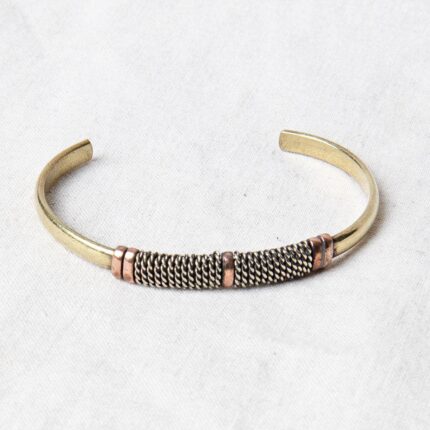

Tibetan Handcrafted Copper Bracelet
Shop Crystals for This Guide
Explore crystal jewelry and stones from our current collection.
Om Mani Padme Hum Copper Ring
Om Namah Shivay Mantra Copper Bangle
Fair Trade Astamangala Copper Bangle