
Is The Chariot a Yes or No Card for Love?

Is The Chariot a Yes or No Card for Love?
The Chariot arrives in a love reading with the energy of motion — the armor, the reins, the sense of a relationship being driven forward toward something. It can read as driven, even aggressive, next to the softer love cards. But The Chariot in tarot is the archetype of harnessed momentum, the focused will that turns opposing pulls into forward motion. So is The Chariot a yes or no card for love? The honest answer is: a conditional, and one that splits cleanly along whether both partners pull in the same direction — yes for actively driving a relationship toward a shared aim, no if one partner is dragging the other toward a finish line.
Quick Answer
The Chariot is a conditional for love. It leans yes for actively driving a relationship toward a goal — committing, building momentum, moving forward together with shared intent. The card’s archetype is the victor who harnesses opposing forces into a single direction, and its counsel in love is the same: a relationship with a shared aim and two people rowing toward it has real momentum. But the yes is conditional, because his shadow is the drive to “win” the partner — the will to move forward that overwhelms tenderness, the momentum that becomes one person dragging the other toward a finish line only one of them chose.
Is The Chariot Generally a Yes or No Card?
Across all questions, The Chariot leans yes — and powerfully so. Its archetype is the victor: focused will harnessing opposing forces toward a single aim, the momentum that arrives when scattered energy aligns into direction. Upright, this energy is genuinely favorable for committed forward motion, the harnessing of competing pulls, the drive toward a goal worth reaching. Where the question is whether to move forward with focus and will, The Chariot tends to lean yes.
But The Chariot is never an unqualified yes, and that is the whole point of the card. Its wisdom lives in the distinction between harnessed momentum that serves a shared aim et the drive that overwhelms what it carries. The upright Chariot aligns opposing forces into forward motion — the two sphinxes pulling in the same direction because the will has harmonized them. His shadow is the drive turned inward on itself — the will to win that overwhelms the tenderness it carries, the momentum that becomes one force dragging the other, the victory pursued at the cost of what the victory was for. Same face of drive, entirely different relationship to what it carries underneath.
So when readers ask whether The Chariot is generally a yes or no, the truthful answer is: yes, where the will serves a shared aim; no, where the drive has become one force overwhelming another. The card itself does not manufacture victory — it points to the conditions where focused will can produce forward motion and asks whether those forces are aligned or being dragged. The Chariot blesses the momentum that serves and withholds his full weight from the drive that overwhelms.
This is why the card leans so favorably across questions. For career, the verdict follows whether the focused will drives toward a real goal. For decisions, his archetype blesses the moment scattered energy aligns into direction. For love, the same archetype asks whether both partners are pulling toward the same aim. The Chariot’s verdict is always about aligned momentum — and it declines to bless the drive that wears a victor’s face while it drags.
The Chariot for Love: Yes or No?
In love specifically, The Chariot leans conditional, and the condition follows whether both partners are rowing together. The card’s archetype is harnessed momentum, and its whole concern in a love reading is whether the relationship is being driven forward by shared will or by one partner dragging the other. If you are asking about actively driving a relationship toward a goal — committing, building momentum, moving forward together — The Chariot may be telling you that the verdict follows whether the aim is genuinely shared.
But love is also where The Chariot’s energy is most easily misdirected, because drive and domination wear similar surfaces here. The same focused will that builds real momentum can also become the drive to “win” the partner — the will to move forward that overwhelms tenderness, the momentum that becomes one person setting the finish line and the other being pulled toward it, the relationship driven by one will rather than two. The Chariot’s gift is aligned momentum; his shadow in love is the drive that overwhelms what it carries, the victory pursued at the cost of the bond.
So the verdict splits along a clear line:
- The Chariot leans yes when both partners are rowing together toward a shared aim. If the relationship has a goal both people want — a commitment both are moving toward, a future both are building, a direction both have chosen — The Chariot blesses the momentum. The yes is for the aligned will that carries the relationship forward, not for the will that drags one partner toward a finish line only one chose.
- The Chariot leans no if one partner is dragging the other toward a finish line. If the momentum has become one-directional — if the drive to move forward is overwhelming the tenderness between you, if one person is setting the goal and the other is being pulled toward it, if “winning” the relationship has replaced being in it — The Chariot refuses to bless it. The no is not a rejection of momentum; it is the card pointing out that the will has stopped serving a shared aim and started serving one.
There is a subtler reading. The Chariot sometimes appears for a love question when the real work is not about the goal itself but about whether the will is shared — when the card is asking whether both partners are rowing or one is dragging, whether the momentum serves the bond or overwhelms it. In that case the yes is for the alignment of wills, which prepares the ground for the relationship to move forward without one partner being carried at the other’s cost.
The card does not promise that the momentum will guarantee a lasting bond, or that driving forward ensures a particular outcome. What it points to is whether both partners are pulling in the same direction — whether the will is shared, or whether the drive has become one force overwhelming another. Love readings want a clear yes or no; The Chariot offers something more honest: a yes for aligned momentum, with a quiet question about whether both people are actually rowing.
What Would Shift It to Yes or No?
Because The Chariot is conditional, the question is not whether it will become a yes or a no — it is which one it already is, depending on whether both partners are rowing together.
The yes applies when both partners are pulling toward a shared aim. This is not the same as having no tension — real relationships often hold opposing pulls, and The Chariot does not demand uniformity before he blesses momentum. But there is a difference between opposing forces harmonized into shared direction (which the upright Chariot blesses) and one force dragging the other (which his shadow serves). If the will is shared and the aim is genuinely mutual, the yes strengthens.
The no applies when one partner is dragging the other. If the momentum has become one-directional — if the drive to move forward is overwhelming the tenderness, if one person is setting the finish line and the other is being pulled toward it — The Chariot’s no leans toward you with full weight. The card is not refusing you momentum; it is pointing out that the will has stopped serving a shared aim, and the drive will cost the bond it was meant to carry.
Rose quartz as a reflection support. Some readers like to hold or wear rose quartz when working with The Chariot in a love reading — not to change the verdict, but to support the warmth held inside the momentum the card asks for. Rose quartz is traditionally associated with the heart and with the tenderness that lets drive serve the bond rather than overwhelm it, and used as a focusing object it can help you sit with the question are we rowing together toward a shared aim, or is one of us dragging the other toward a finish line? The crystal does not turn a no into a yes. It supports the honest inner reading that lets you tell whether the momentum is shared.
The shift, in other words, is not in the card. It is in whether both partners are pulling in the same direction — which is exactly what The Chariot has been asking of you all along.
Free Will, FAQ, and a Note on Outcomes
Cards reflect current energy and patterns, not fixed outcomes — you always have free will to shape what happens next. For The Chariot, the card may point to a conditional verdict that follows whether the will is shared, but whether you row together or let the drive become one-directional — and how honestly you make that choice — is your choice. No card decides for you; it clarifies the moment you are standing in.
FAQ
Is The Chariot a yes or no card when reversed?
Reversed, The Chariot tends toward momentum that has become one-directional drag rather than a flat no. The reversal often points to a drive that has stopped serving a shared aim — the will to win overwhelming the bond, one partner pulling the other toward a finish line only one chose. Reversed does not mean cursed or doomed; it means the aligned momentum the upright card blesses has tipped into domination, and the card is inviting you to look at whether both partners are rowing or one is dragging.
Does The Chariot mean someone is committed?
It leans toward yes — the card suggests forward motion and committed drive are present in the current energy. But it cannot read another person’s inner state with certainty; it describes the relational weather, not a mind. If you are asking whether someone is moving toward you with real intent, The Chariot is encouraging, but the confirmation lives in whether the aim is genuinely shared, not in any single card.
Can The Chariot be a yes for a slow-moving relationship?
Yes, when both partners are rowing together at a pace that suits them — because the aligned will the card blesses can move at any speed both people choose. The Chariot does not demand speed; he demands shared direction. If both partners are pulling toward the same aim, the yes applies even when the momentum is gentle.
Shop Crystals for This Guide
Explore crystal jewelry and stones from our current collection.


Om Mani Padme Hum Copper Ring


Om Namah Shivay Mantra Copper Bangle


Fair Trade Astamangala Copper Bangle
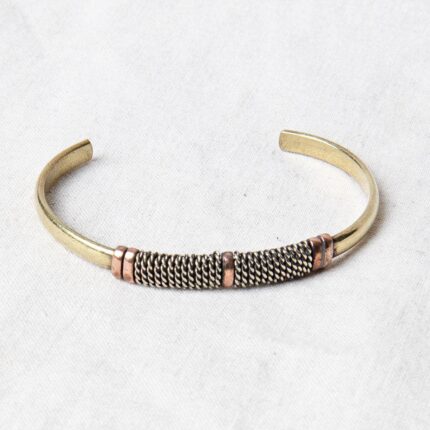

Tibetan Handcrafted Copper Bracelet
Shop Crystals for This Guide
Explore crystal jewelry and stones from our current collection.
Om Mani Padme Hum Copper Ring
Om Namah Shivay Mantra Copper Bangle
Fair Trade Astamangala Copper Bangle