Is The Emperor a Yes or No Card for Decisions?
Is The Emperor a Yes or No Card for Decisions?
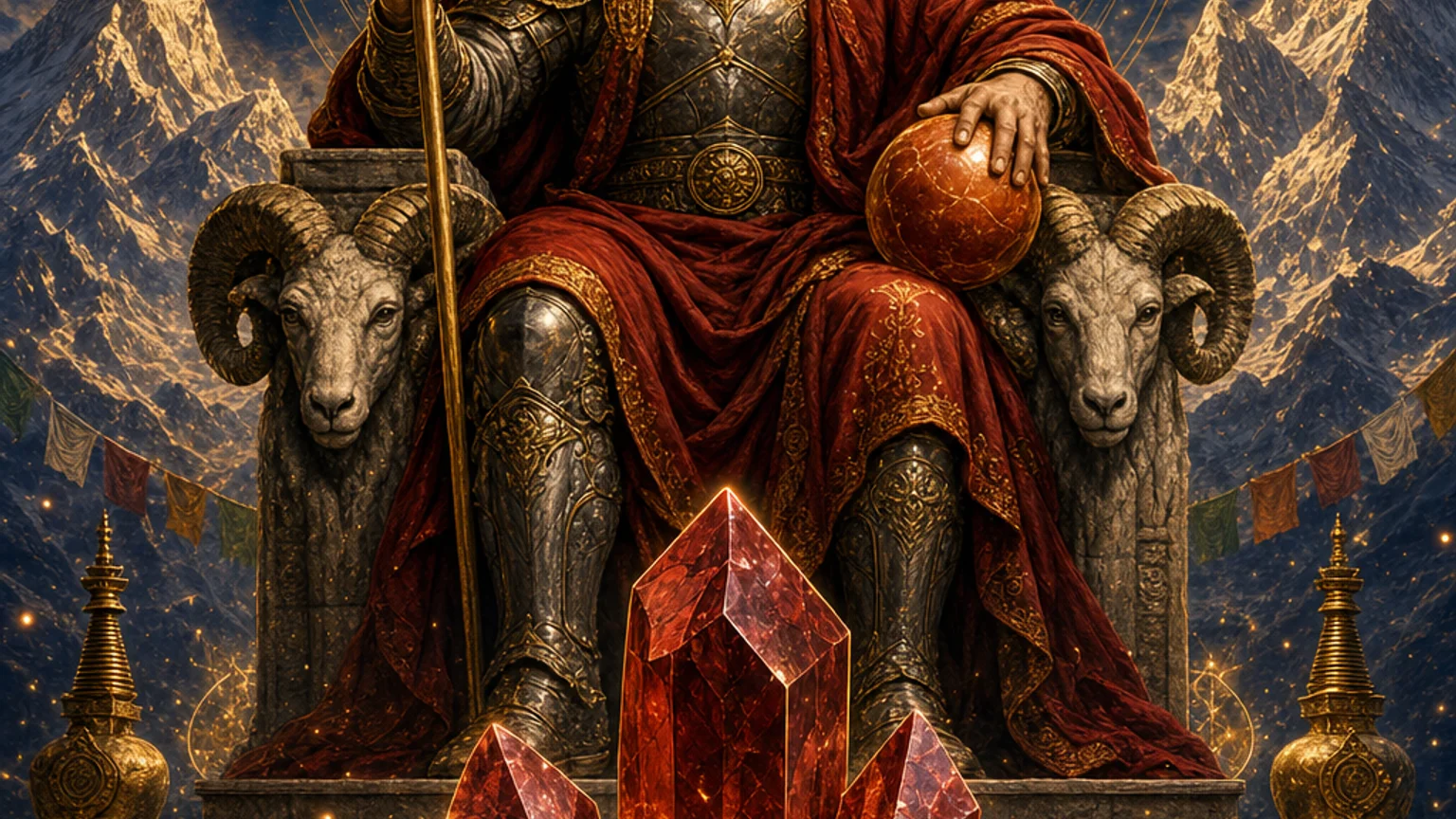
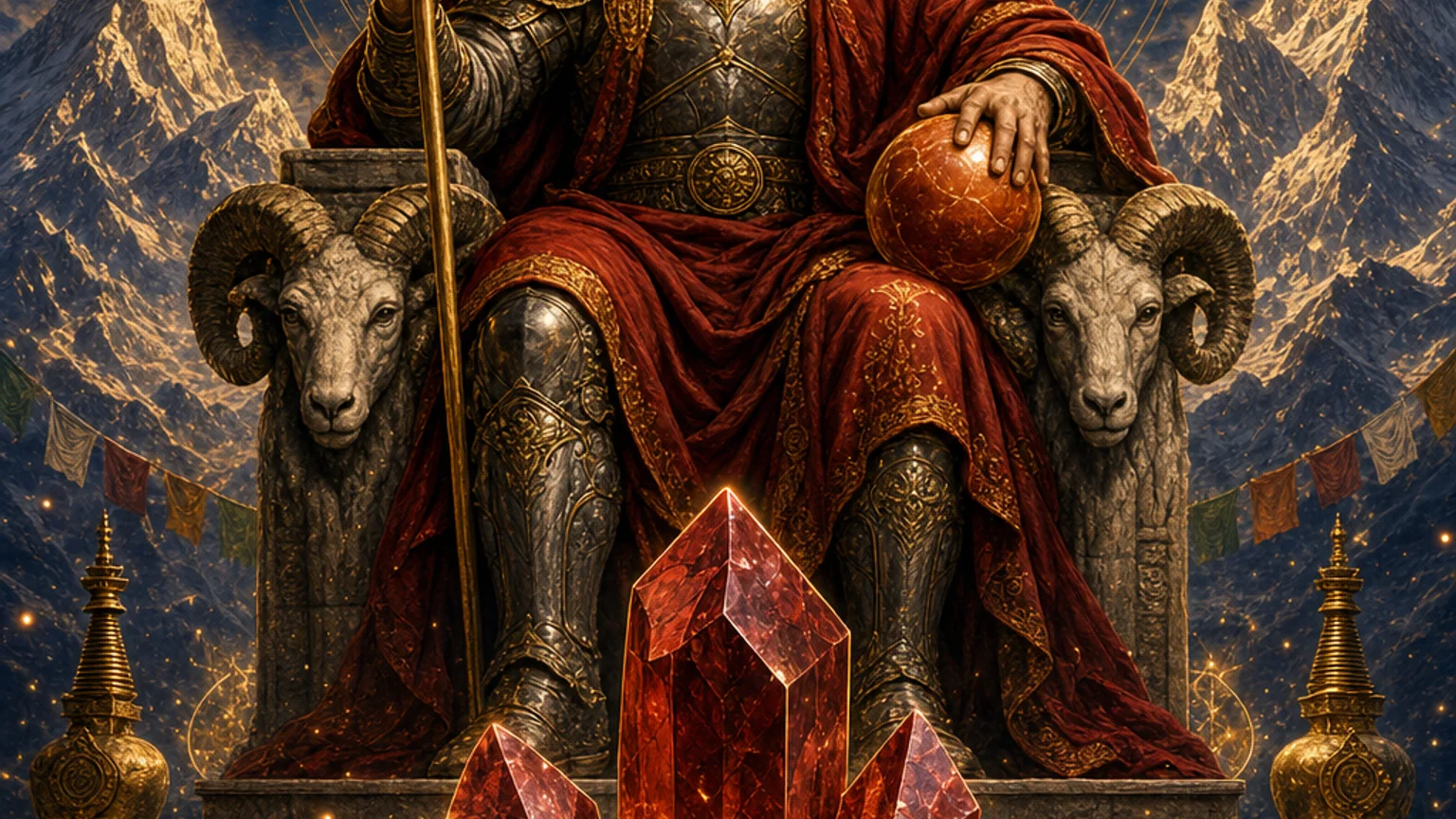
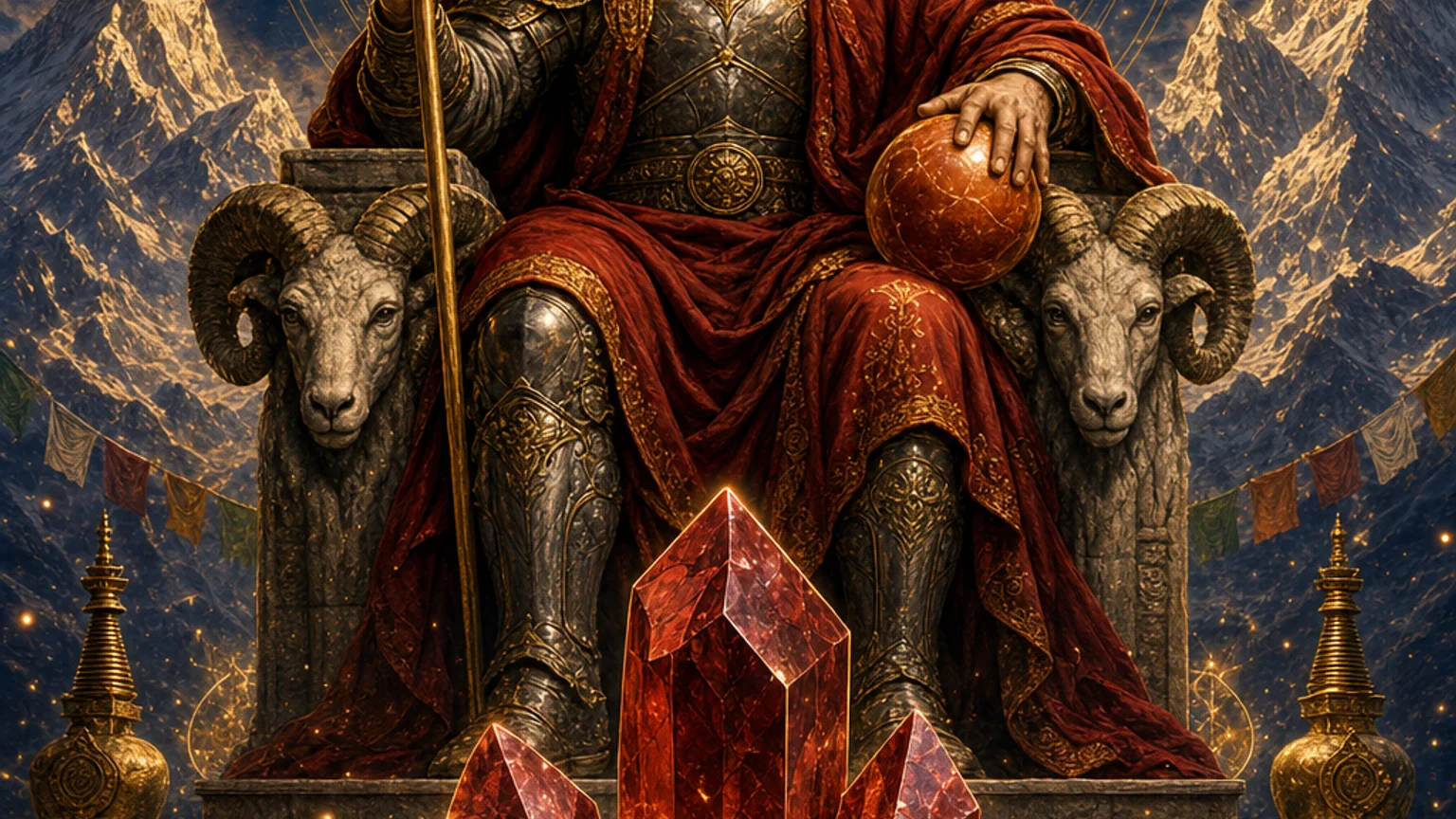
The Emperor arrives in a decision reading with the energy of the framework — the throne, the lines drawn, the sense of a structure being committed to. It can feel formal, even rigid, next to the more flowing decision cards. But The Emperor in tarot is the archetype of the scaffolding, the firm framework that lets any real choice hold. So is The Emperor a yes or no card for decisions? The honest answer is: a strong yes, and one of the clearest decision-yeses in the deck — for choices that need a framework, a boundary, or a firm commitment, the kind of decision that establishes the structure anything real can be built on.
Quick Answer
The Emperor is a strong yes for decisions. It leans yes for choices that need a framework, a boundary, or a firm commitment — the decision to draw the line, set the rule, make the commitment that lets the next thing be built. The card’s archetype is the scaffolding that lets anything stand, and its verdict points clearly affirmative when the decision establishes structure rather than drifts. Its one caveat is that the framework must serve the choice rather than harden into rigidity — the yes applies to structure that holds, not to control imposed for its own sake.
Is The Emperor Generally a Yes or No Card?
Across all questions, The Emperor leans yes — and firmly so. Its archetype is the sovereign: authority made constructive, structure that lets things be built, the stable foundation without which nothing lasting can stand. Upright, this energy is genuinely favorable for commitment, framework, and disciplined building. Where the question is whether to establish structure, take responsibility, or build something that lasts, The Emperor tends to lean yes.
But The Emperor is never an unqualified yes, and that is the whole point of the card. Its wisdom lives in the distinction between framework that holds what it supports and rigidity that imposes for its own sake. The upright Emperor builds a scaffolding that serves — the framework that lets a real thing stand, the boundary that protects, the commitment that steadies. His shadow is the rigidity that calls itself structure — the rule imposed because the sovereign wills it, the framework that has forgotten what it was holding, the discipline that has hardened into control. Same face of structure, entirely different relationship to what it supports underneath.
So when readers ask whether The Emperor is generally a yes or no, the truthful answer is: yes, where the framework serves what it supports; no, where “structure” has hardened into rigidity. The card itself does not manufacture stability — it points to the conditions where a real framework is possible and asks whether those conditions are being built honestly. The Emperor blesses the structure that holds and withholds his full weight from the rigidity that imposes.
This is why the card leans so favorably across questions. For career, the verdict follows whether the authority builds something real. For love, the same archetype blesses structure that serves the partnership. For decisions, his archetype blesses the framework that lets a choice hold. The Emperor’s verdict is always about structure that serves — and it declines to bless the rigidity that wears a structural face.
The Emperor for Decisions: Yes or No?
In decisions specifically, The Emperor leans strongly yes — and this is one of its most natural applications. The card’s whole archetype is the scaffolding: the framework without which nothing real can be built, the boundary that defines what a thing is, the commitment that lets the next step stand. If you are asking about a decision that needs a framework, a line drawn, or a firm commitment — the choice to set the rule, make the commitment, establish the structure anything else can be built on — The Emperor may lean yes with real clarity.
Decisions are where The Emperor’s energy is most favorable because choice is the domain where structure most directly shapes what comes into being. The scaffolding he carries is exactly what a demanding decision requires — clarity about the framework, willingness to commit, the discipline to hold the line long enough for something to stand. Where the decision establishes structure and the question is whether to make it, The Emperor tends to bless the choice.
But decisions are also where The Emperor’s energy needs to serve the choice rather than harden, because framework and rigidity wear similar surfaces here. The same structure that lets a decision hold can also become the rule imposed because the sovereign wills it — the boundary that no longer serves what it was protecting, the commitment that has hardened into inflexibility, the discipline that has forgotten what it was steadying. The Emperor’s gift is the framework that holds; his shadow in a decision is the rigidity that wears a structural face while it imposes.
So the verdict follows a clear line:
- The Emperor leans strongly yes for decisions that establish a framework. If the choice involves setting a boundary, making a firm commitment, drawing the line that lets the next thing be built — The Emperor blesses that decision. The yes is for the structure that holds, not for the rigidity that imposes.
- The Emperor withholds its full weight where the framework has hardened into rigidity. This is not a flat no; it is the card’s invitation to look at whether the structure serves the choice or imposes on it. If “discipline” has become inflexibility, if the boundary no longer protects but confines, if the framework has forgotten what it was holding — The Emperor leans toward the constructive purpose he stands for rather than a clean yes over rigidity.
There is a subtler reading. The Emperor sometimes appears for a decision when the real work is not about which option to choose but about whether the choice can be held — when the card is asking whether you can commit to a framework long enough for something to stand on it, or whether the structure being imposed is serving the choice or just the sovereign’s will. In that case the yes is for the honest framework, which prepares the ground for the decision to hold rather than collapse.
The card does not promise that the decision will turn out a particular way, or that establishing structure guarantees a specific outcome. What it points to is whether the framework serves the choice or hardens into rigidity — whether the structure holds, or whether “discipline” has become imposition. Decision readings want a clear directive; The Emperor offers something more honest: a strong yes for the choice that establishes structure, with a quiet question about whether that structure serves.
What Would Shift It to Yes or No?
The Emperor is a strong yes, so the shift is less about turning a no into a yes and more about whether this particular yes applies — whether the framework serves the choice or hardens into rigidity.
The strong yes applies most clearly when the framework serves what it supports. This is not the same as flexibility — real decisions often benefit from firm lines and clear commitments, and The Emperor does not demand drift before he blesses a choice. But there is a difference between a framework that holds the decision steady so something can be built on it (which the upright Emperor blesses) and a framework imposed because the sovereign wills it (which his shadow serves). If the structure serves the choice, the yes strengthens.
The strong yes softens when the framework has hardened into rigidity. If “discipline” has become inflexibility — if the boundary no longer protects but confines, if the structure has forgotten what it was holding — The Emperor leans toward the constructive purpose he stands for rather than a clean yes over rigidity. This is the card’s invitation: to let the framework serve, not to let it impose.
Red jasper as a reflection support. Some readers like to hold or wear red jasper when working with The Emperor in a decision reading — not to change the verdict, but to support the steady, grounded energy the card asks for. Red jasper is traditionally associated with stability and with the endurance needed to hold a framework long enough for something to stand on it, and used as a focusing object it can help you sit with the question does this framework serve the choice, or has it hardened into rigidity? The crystal does not turn a softened yes into a strong one. It supports the honest inner reading that lets you tell whether your structure is holding or imposing.
The shift, in other words, is not in the card. It is in whether the framework serves — which is exactly what The Emperor has been asking of you all along.
Free Will, FAQ, and a Note on Outcomes
Cards reflect current energy and patterns, not fixed outcomes — you always have free will to shape what happens next. For The Emperor, the card may point to a strong yes for decisions that establish structure, but whether the framework serves the choice or hardens into rigidity — and how honestly you make that choice — is your choice. No card decides for you; it clarifies the moment you are standing in.
よくある質問
Is The Emperor a yes or no card when reversed?
Reversed, The Emperor tends toward framework that has hardened into rigidity rather than a flat no. The reversal often points to structure that has stopped serving — the rule imposed because the sovereign wills it, the discipline that has forgotten what it was steadying. Reversed does not mean cursed or doomed; it means the constructive framework the upright card blesses has tipped into imposition, and the card is inviting you to look at whether your structure is holding the choice or confining it.
Does The Emperor mean the decision will work out?
Not necessarily — and any reading that promises a particular outcome from this card is overreaching. The Emperor points to the framework and commitment that let a decision hold, not to a fixed result. It may suggest the choice has honest ground to stand on, but whether it works out depends on real conditions and your continued holding of the framework, not on the card alone.
Can The Emperor be a yes for a flexible decision?
Yes, when the framework being established is one that holds the choice while leaving room to move — because the structure the card blesses can include adaptive boundaries rather than rigid ones. The Emperor does not oppose flexibility; he opposes the rigidity that calls itself discipline. If the framework serves the choice without confining it, the yes applies even when the decision needs to stay somewhat open.
このガイドに登場するクリスタルを購入する
当店の最新コレクションから、クリスタルジュエリーやストーンをご覧ください。.
このガイドに登場するクリスタルを購入する
当店の最新コレクションから、クリスタルジュエリーやストーンをご覧ください。.