Is The Emperor a Yes or No Card for Love?
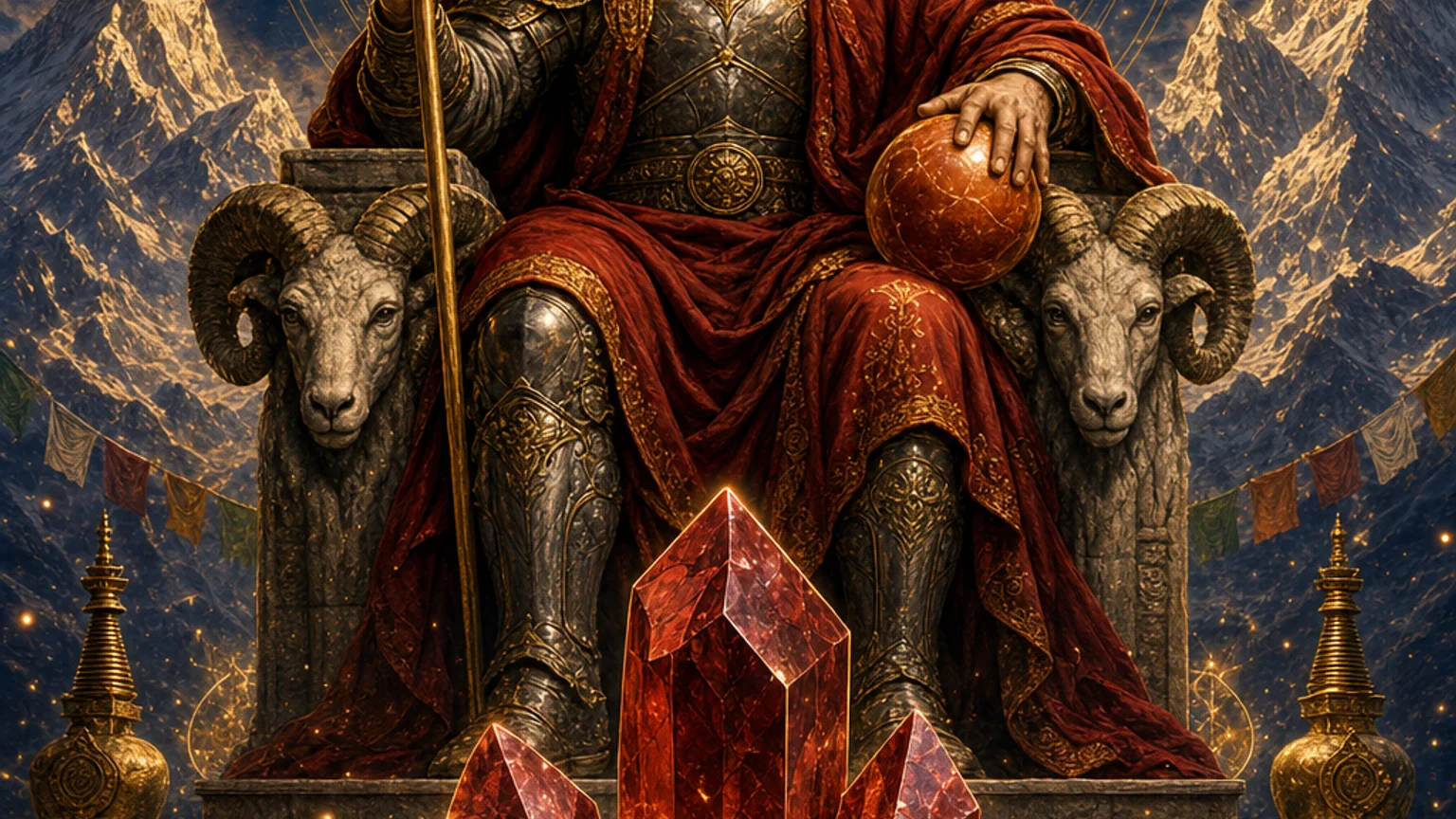
Is The Emperor a Yes or No Card for Love?
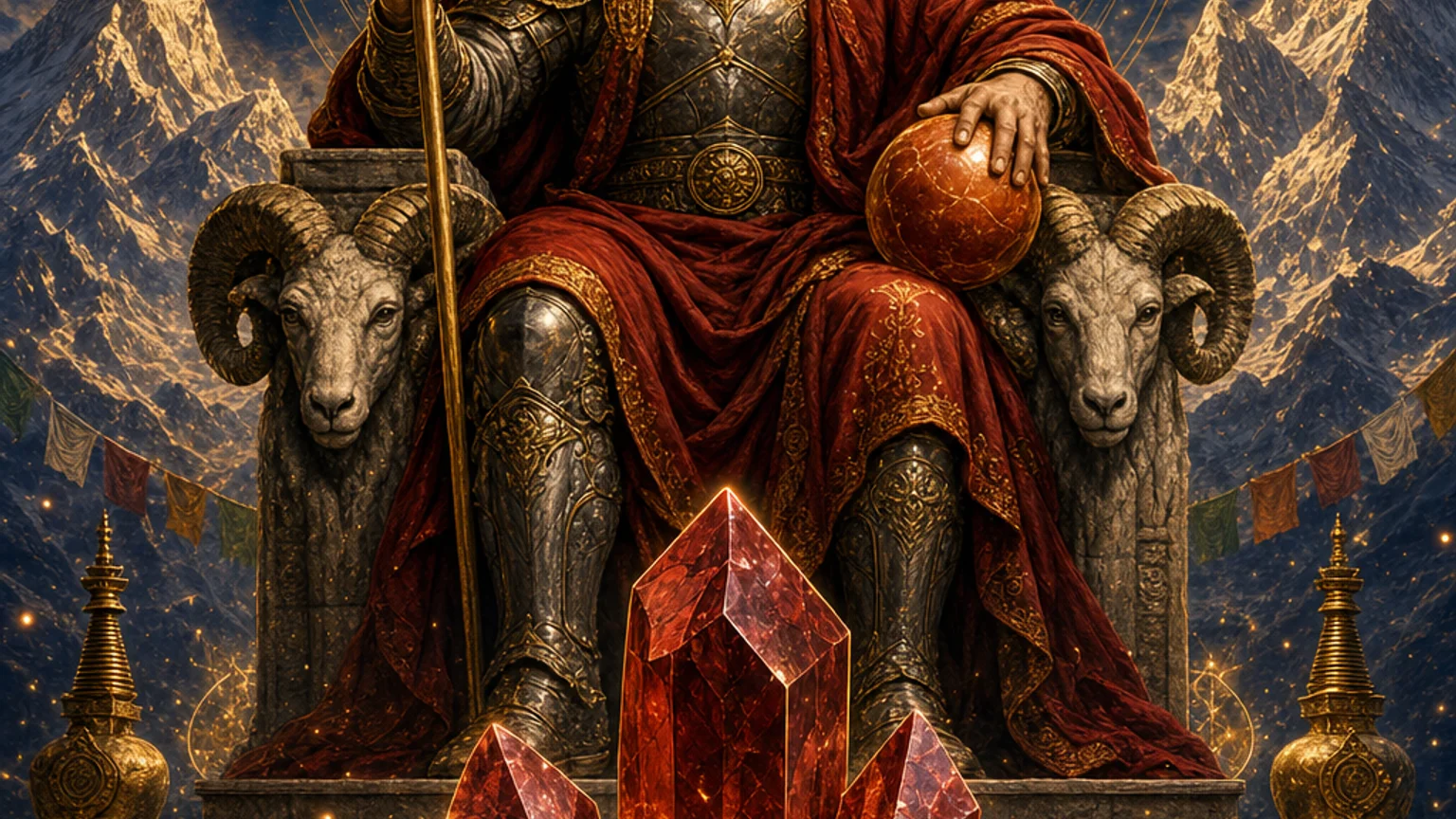
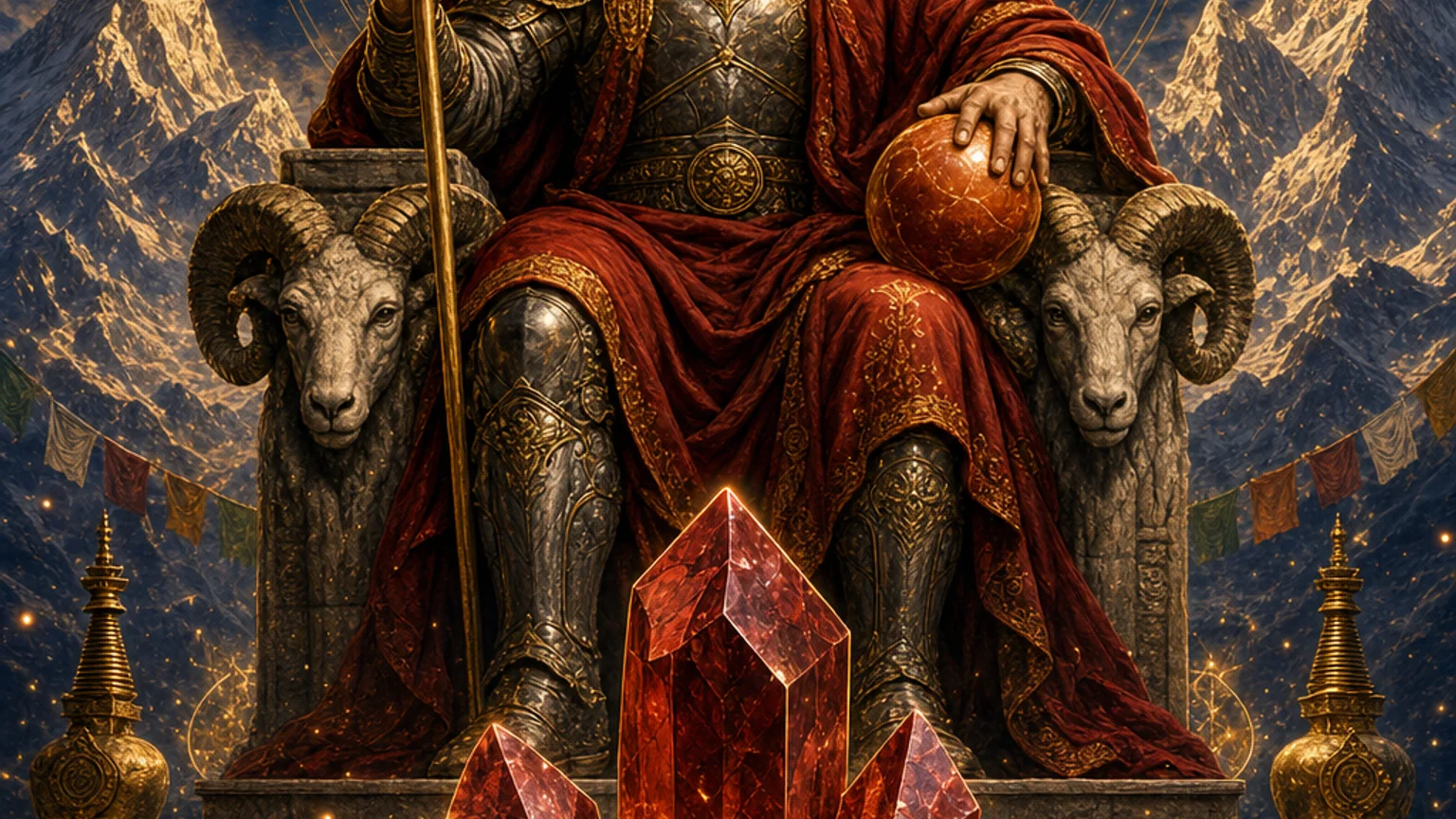
The Emperor arrives in a love reading with the energy of structure — the throne, the armor, the sense of a foundation being laid. It can read as formal, even cold, next to the warmer love cards. But The Emperor in tarot is the archetype of committed structure, the stable foundation that lets a relationship become real over time. So is The Emperor a yes or no card for love? The honest answer is: a conditional, and one that splits cleanly along what the structure serves — yes for formalizing a bond where the structure protects both people, no if “structure” has become domination of the other.
Quick Answer
The Emperor is a conditional for love. It leans yes for formalizing a bond — moving in, marriage, agreed boundaries, the kind of structure that gives a relationship a stable foundation. The card’s archetype is the sovereign who builds what lasts, and its counsel in love is the same: commitment and agreed form let a partnership stand. But the yes is conditional, because his shadow is control — the structure that serves the partnership blesses, the structure that manages the partner does not, and the same card points to both depending on which is in front of you.
Is The Emperor Generally a Yes or No Card?
Across all questions, The Emperor leans yes — and firmly so. Its archetype is the sovereign: authority made constructive, structure that lets things be built, the stable foundation without which nothing lasting can stand. Upright, this energy is genuinely favorable for commitment, framework, and disciplined building. Where the question is whether to establish structure, take responsibility, or build something that lasts, The Emperor tends to lean yes.
But The Emperor is never an unqualified yes, and that is the whole point of the card. Its wisdom lives in the distinction between structure that serves what it supports and control that manages the other. The upright Emperor builds a framework that protects and steadies — the scaffolding that lets a real thing stand. His shadow is the control that calls itself structure — the managing of the other person, the rigidity that wears a caring face while it dominates, the “for your own good” that is really for the sovereign’s. Same face of authority, entirely different economy underneath.
So when readers ask whether The Emperor is generally a yes or no, the truthful answer is: yes, where the structure serves what it supports; no, where “structure” has become domination. The card itself does not manufacture stability — it points to the conditions where a real foundation is possible and asks whether those conditions are being built honestly. The Emperor blesses the framework that protects both people and withholds his full weight from the control that manages one.
This is why the card leans so specifically across questions. For love, the verdict follows whether the structure serves the partnership or dominates the partner. For career, the same archetype blesses leadership and stable foundations. For decisions, his archetype blesses the framework that lets a choice hold. The Emperor’s verdict is always about structure that serves — and it declines to bless the control that wears a structural face.
The Emperor for Love: Yes or No?
In love specifically, The Emperor leans conditional, and the condition follows what the structure serves. The card’s archetype is committed form — the stable foundation, the agreed boundary, the framework that lets a relationship stand over time. Its whole concern in a love reading is whether the structure being built protects both people or manages one of them. If you are asking about formalizing a bond — moving in, marriage, agreed boundaries, a commitment that gives the relationship real ground — The Emperor may be telling you that the verdict follows whether the structure serves the partnership.
But love is also where The Emperor’s energy is most easily misread, because commitment and control wear similar surfaces here. The same structure that lets a relationship stand can also become the managing of the other person — the rules that are really about control, the “boundaries” that box the partner in, the stability that has quietly become domination. The Emperor’s gift is the framework that protects both; his shadow in love is the control that calls itself structure while it manages one.
So the verdict splits along a clear line:
- The Emperor leans yes for formalizing a bond where the structure protects both people. If the commitment gives the relationship a stable foundation, if the agreed boundaries serve both partners, if the form being built steadies rather than confines — The Emperor blesses that structure. The yes is for the framework that lets love stand over time, not for the framework that manages the partner.
- The Emperor leans no if “structure” has become domination of the other. If the commitment has tipped into control — if the rules are really about managing the partner, if the “boundaries” box one person in, if the stability serves one and not both — The Emperor refuses to bless it. The no is not a rejection of structure; it is the card pointing out that the structure has stopped serving the partnership and started serving the sovereign alone.
There is a subtler reading. The Emperor sometimes appears for a love question when the real work is not about the relationship itself but about the kind of structure being built — when the card is asking whether the framework protects both people or manages one, whether the commitment steadies the partnership or confines it. In that case the yes is for the honest structure, which prepares the ground for the bond to stand without domination.
The card does not promise that the structure will hold forever, or that formalizing a bond guarantees a particular outcome. What it points to is whether the structure serves the partnership or manages the partner — whether the commitment protects both, or whether “structure” has become control. Love readings want a clear yes or no; The Emperor offers something more honest: a yes for structure that serves, with a quiet question about which kind of framework is actually being built.
What Would Shift It to Yes or No?
Because The Emperor is conditional, the question is not whether it will become a yes or a no — it is which one it already is, depending on whether the structure serves the partnership or manages the partner.
The yes applies when the structure protects both people. This is not the same as having no rules — real relationships often benefit from agreed form, and The Emperor does not oppose structure before he blesses it. But there is a difference between a framework that steadies both partners (which the upright Emperor blesses) and a framework that manages one of them (which his shadow serves). If the structure serves the partnership, the yes strengthens.
The no applies when “structure” has become domination. If you find that the commitment has tipped into control — that the rules are really about managing the partner, that the “boundaries” box one person in, that the stability serves the sovereign and not the bond — The Emperor’s no leans toward you with full weight. The card is not refusing you structure; it is pointing out that the structure has stopped serving the partnership and started serving control.
Rose quartz as a reflection support. Some readers like to hold or wear rose quartz when working with The Emperor in a love reading — not to change the verdict, but to support the heart held inside the structure the card asks for. Rose quartz is traditionally associated with warmth and with the open heart that lets structure serve rather than confine, and used as a focusing object it can help you sit with the question does this structure protect both of us, or is it managing one of us? The crystal does not turn a no into a yes. It supports the honest inner reading that lets you tell whether your framework is serving the partnership or dominating the partner.
The shift, in other words, is not in the card. It is in whether the structure serves — which is exactly what The Emperor has been asking of you all along.
Free Will, FAQ, and a Note on Outcomes
Cards reflect current energy and patterns, not fixed outcomes — you always have free will to shape what happens next. For The Emperor, the card may point to a conditional verdict that follows what the structure serves, but whether you build a framework that protects both people or one that manages the partner — and how honestly you make that choice — is your choice. No card decides for you; it clarifies the moment you are standing in.
よくある質問
Is The Emperor a yes or no card when reversed?
Reversed, The Emperor tends toward structure that has become rigid domination rather than a flat no. The reversal often points to a framework that has stopped serving what it supports — the control that wears a structural face, the rigidity that has hardened into managing the other. Reversed does not mean cursed or doomed; it means the constructive authority the upright card blesses has tipped into domination, and the card is inviting you to look at whether your structure is serving the partnership or confining it.
Does The Emperor mean someone wants commitment?
It leans toward yes — the card suggests structure, commitment, and a desire for stable form are present in the current energy. But it cannot read another person’s inner state with certainty; it describes the relational weather, not a mind. If you are asking whether someone wants to formalize the bond, The Emperor is encouraging, but the confirmation lives in how the structure actually serves both people over time, not in any single card.
Can The Emperor be a yes for a relationship that needs freedom?
Yes, when the structure being built is one that protects freedom rather than replaces it — because the framework the card blesses can include room for both partners to stand. The Emperor does not oppose autonomy; he opposes the control that calls itself structure. If the commitment steadies without confining, the yes applies even in a bond that values freedom.
このガイドに登場するクリスタルを購入する
当店の最新コレクションから、クリスタルジュエリーやストーンをご覧ください。.
このガイドに登場するクリスタルを購入する
当店の最新コレクションから、クリスタルジュエリーやストーンをご覧ください。.