Death and The Star Together: Tarot Combination Meaning
Death and The Star Together: Tarot Combination Meaning
> When the form that has finished its season finally falls, the still pool it leaves behind begins to fill again. — Eastern contemplation names this impermanence clearing into bodhicitta: the ending that is not the last word, because the awakened heart-mind re-arises on the other side of it. Death and The Star, drawn together, are that single arc — water clearing the form, air lifting the hope. This is not two cards meaning two things. It is one movement, told in two halves.
When Death and The Star appear together in a reading, you are looking at one of the most quietly hopeful sequences the Major Arcana can offer — not because either card is soft, but because they arrive in the right order. Death clears. The Star refills. The pale horse has already passed through, and the figure kneeling by the water has come to pour something back. If you have been holding your breath through an ending, this combination names the moment the exhale begins.
This is the Death × The Star tarot combination — what it means when these two cards meet, how that meeting reads differently across positions, and the two crystals that hold the work of letting go well enough to let hope back in.
Death and The Star at a Glance
This pairing is causal — a sequence, not a standoff. Death is the cause (the necessary clearing of a form that has completed), and The Star is the effect (the renewal that returns once the clearing has happened). Water (Death) clears; Air (The Star) carries the breath back in. The two cards do not pull against each other; the second depends on the first.
- Relationship type: Causal — ending as the doorway renewal walks through
- The one-line meaning: what Death cleared, The Star now fills; the work is to let the ending be real so the hope can be real
- Yes/No lean: a conditional yes — yes, jeśli you are willing to close the door that has already shut
- Crystal pairing: Obsidian (Death) + Aquamarine (The Star) — the honesty to release and the calm courage to reconnect
The Two Cards: Quick Recap
Death (XIII — Water) here is read in only one of its dimensions: the clearing. The armored skeleton on the pale horse, the sun rising between the two towers, the fallen king, the bishop pleading, the child watching with curiosity — the card is almost never literal. For this combination, take only the gesture of necessary ending: a form of life, a role, a relationship, an identity has completed, and the clearing it asks is the release of what has already finished so that life can continue. Death in this pair is not the focus of the reading — it is the ground being prepared.
The Star (XVII — Air) here is read in only one of its dimensions: renewal after the ending. The figure kneels at the edge of the water, pouring from two vessels — one into the pool, one onto the land — the great eight-pointed star above, the bird in the tree. For this combination, take only the gesture of reconnecting: after the storm has passed and the clearing has happened, meaning begins to return. The Star is not generic optimism here; it is the specific hope that becomes available because something has been let go.
What Death and The Star Mean Together
This is where the cards stop being two cards and become one story.
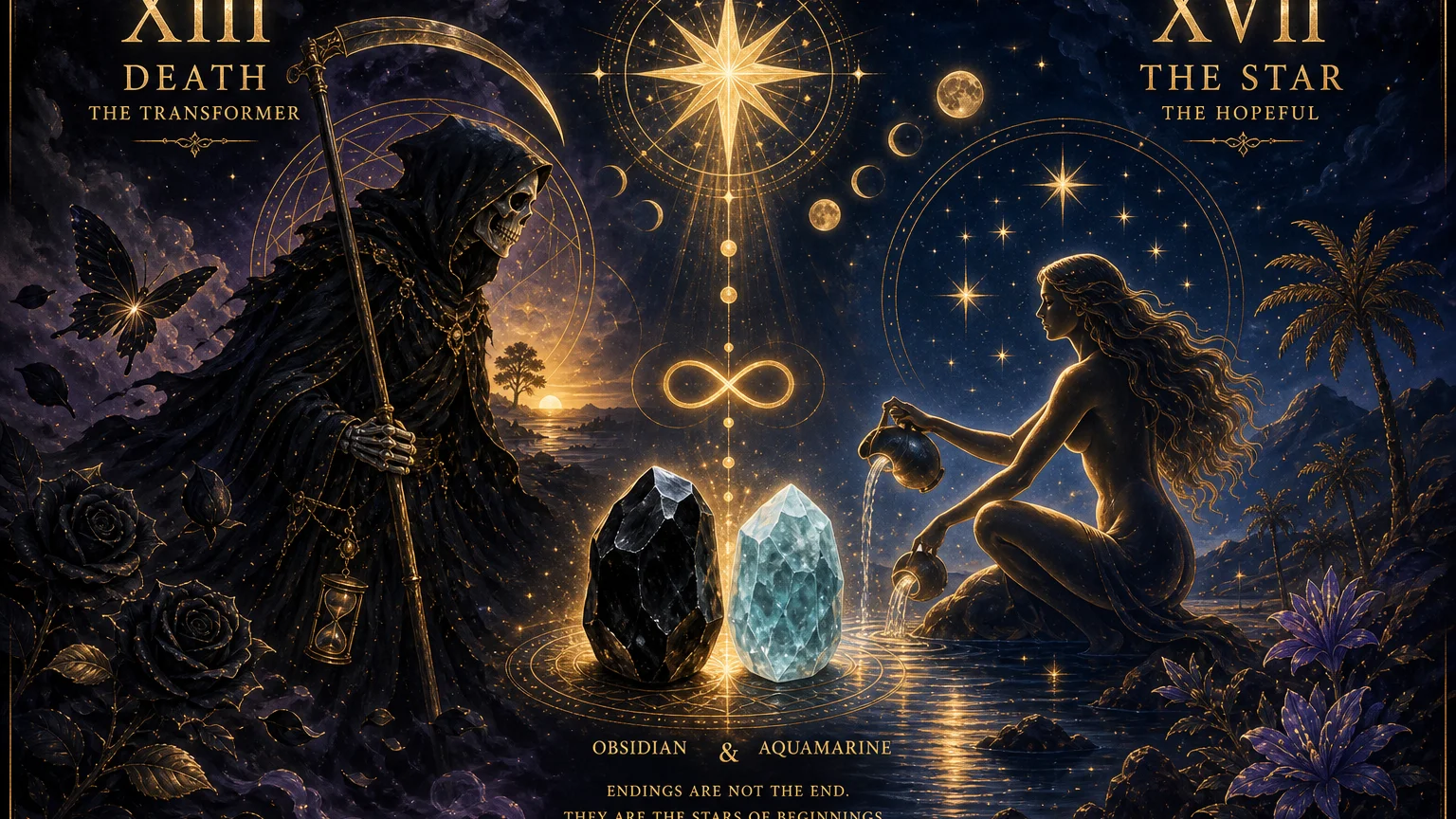
Picture the Rider-Waite images side by side, and let them speak to each other. On the left, the pale horse moves through a landscape in which a king has already fallen, a bishop pleads, a child watches — and in the far distance, between two towers, the sun is rising. On the right, a figure kneels alone by still water, pouring from two pitchers, under a sky of one great eight-pointed star and its smaller companions, a bird waiting in the tree.
Now notice what the cards share, and what passes between them. Both cards contain water — but in Death the water has drained out of the old form, while in The Star it has gathered into a still pool. Both cards contain a rising sun / a great star — Death’s sun rises small between two towers at the horizon; The Star’s eight-pointed star burns directly overhead. The distance between that small distant sun and the great star overhead is the sequence: what began as a thin light at the edge of an ending becomes a full sky of guidance once the clearing is done. And both cards contain a single attentive figure — Death’s child, watching with curiosity rather than fear, is the same posture of open attention as The Star’s kneeling figure, who has stayed by the water to receive what returns.
The chemistry is this: what Death cleared, The Star now fills. Death empties the form — the role, the version of the relationship, the identity that had completed — and The Star is what rushes into the cleared space. The ending is not the opposite of the hope; it is the doorway the renewal walks through. If Death had not done its clearing, The Star’s water would have nowhere to pool — it would pour onto already-occupied ground and run off. The hope becomes available precisely because the old shape is no longer in the way.
This is why the combination reads as relief before it reads as joy. People often expect Death + a “positive” card to feel triumphant — a phoenix rising. But Death and The Star together feel more like the morning after a long fever has broken: quiet, tender, a little surprised to still be here, and beginning, slowly, to feel the cool water being poured back. The eight-pointed star is not a celebration; it is the first steady light you can look at again.
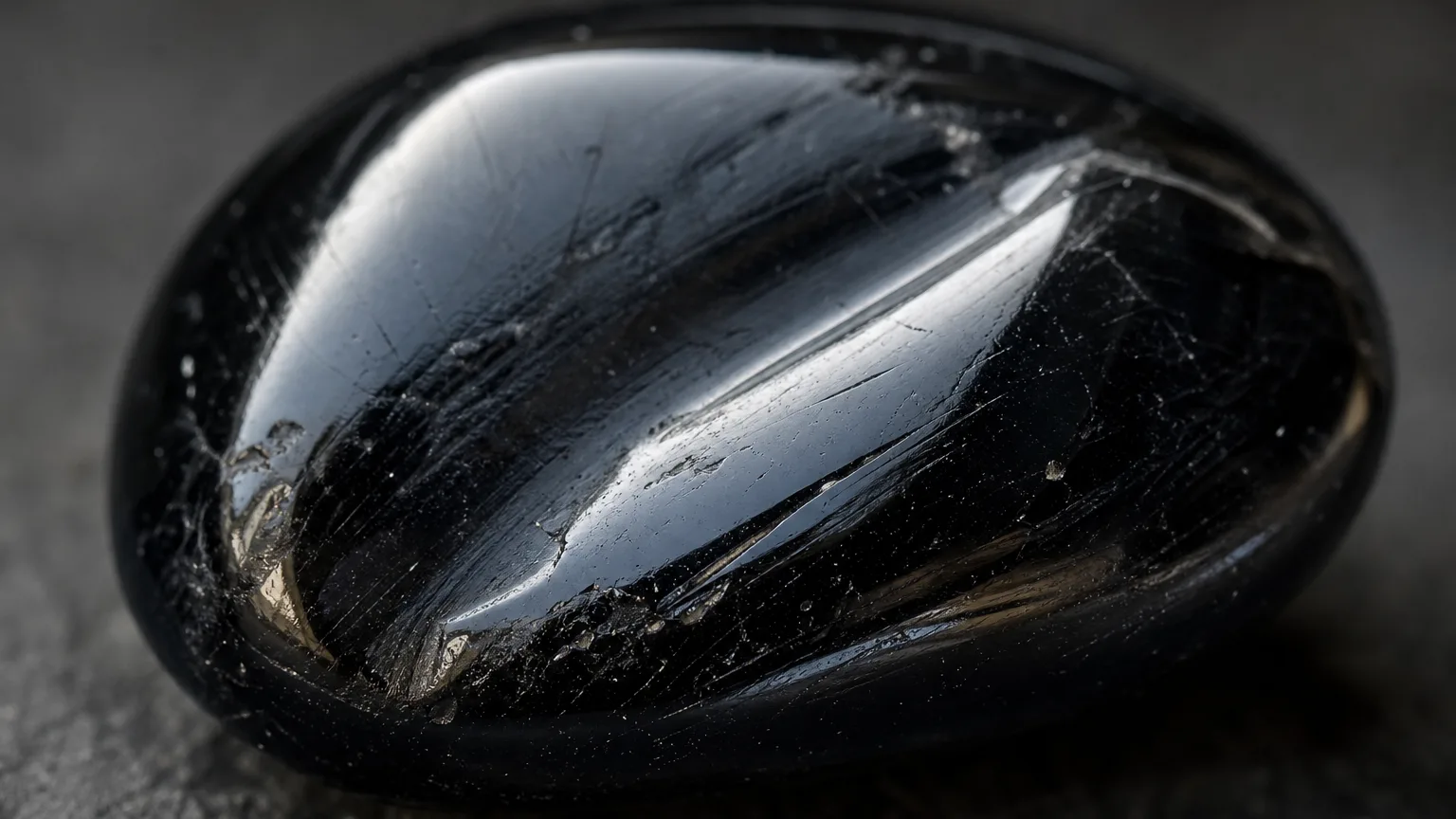
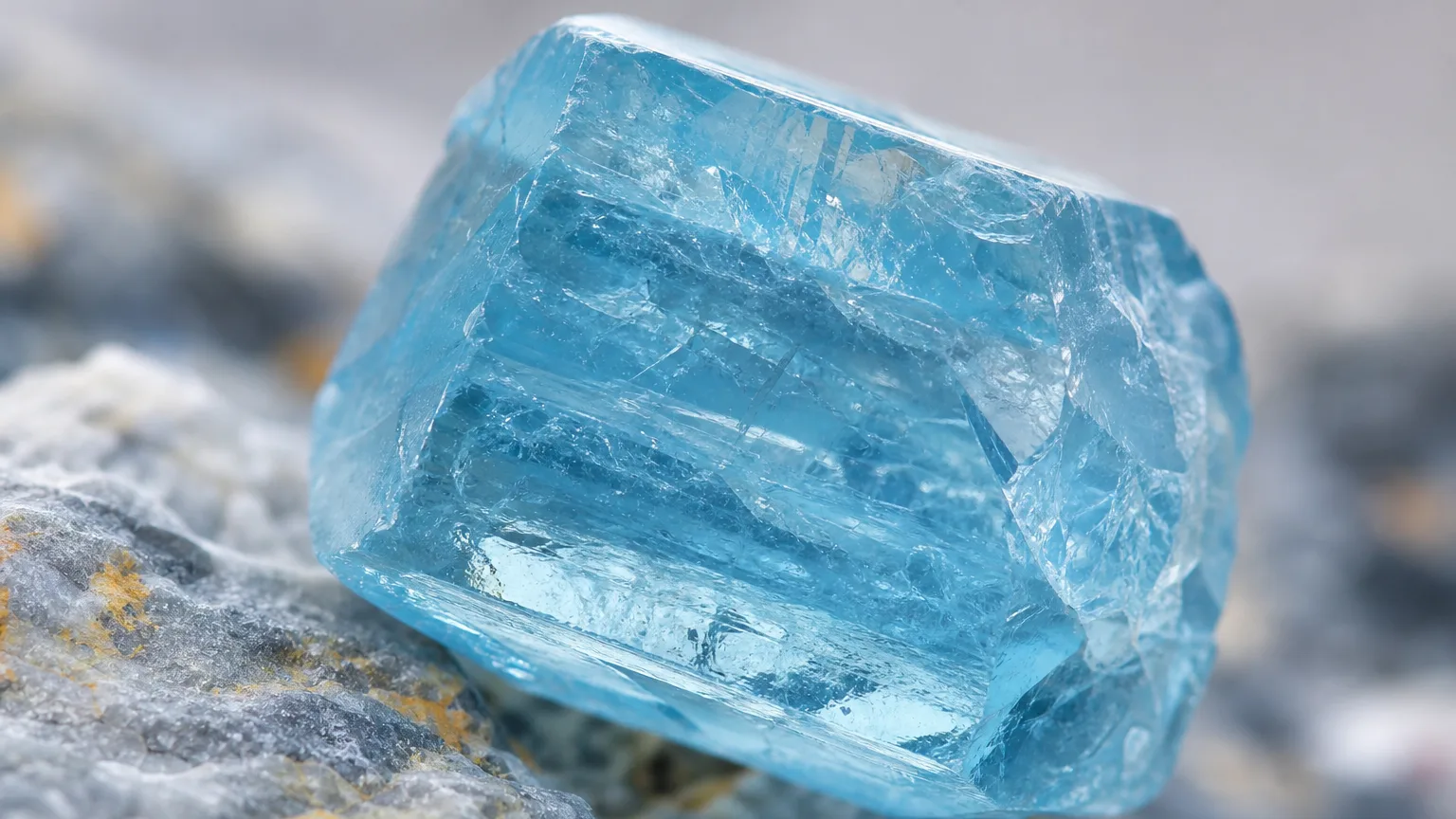
And this is where the two crystals belong — not as decoration, but inside the story. Obsidian is the stone for the left half of the image, the Death half: the unflinching mirror that helps you face what has ended honestly, without softening it into something it isn’t. Aquamarine is the stone for the right half, the Star half: the still pool in mineral form, the calm courage that helps you reconnect with hope after a hard season without forcing it back before it’s ready. Hold the Obsidian while you name what is over; set it down and take up the Aquamarine when you’re ready to let the first small hope back in. The two stones trace the same arc the two cards do — release, then refill — and the skill the whole combination asks of you is the joining of those two gestures: to put down the old form fully enough that your hands are free to receive the new water. Obsidian makes sure you actually let go; Aquamarine makes sure you actually open back up. Either one alone is incomplete — releasing without reconnecting leaves a hollow, and reconnecting without releasing leaves you pouring fresh hope into a cup still full of the last thing.
So the question this combination is really asking you is not “are you ready for hope?” — The Star has already answered that, by showing up. The question is whether you will let Death’s clearing be complete. The renewal is already on its way. Your only job is to stop propping up the form that has already fallen.
Death and The Star in a Spread (Position Comparison)
For a causal pairing, position changes everything — the same two cards read completely differently depending on whether the ending is behind you or ahead of you. The table below maps the three most common position readings before we unpack each.
| Card positions | Temporal reading | What it points to | |—|—|—| | **Past Death → Present Star** | The clearing is already done; the renewal is arriving now | A recent ending (a role, a relationship form, a chapter) has done its work, and you are entering the phase where hope and meaning are returning. The hardest part is behind you. | | **Present Death → Future Star** | An ending is underway now; renewal is on the way | You are mid-clearing — something is closing, and it is real. The Star in the future position is the promise that this ending is not a dead end; the way through it leads to a reconnection with hope. | | **Present Death + Present Star** | Ending and renewal happening simultaneously | The clearing and the refill are occurring at once — you are letting go of one form of something while already beginning to feel the first flickers of what is replacing it. |Past Death, Present Star is the gentlest reading of this pair, and often the one that brings tears of relief. The work of the ending — the grief, the reluctance, the slow acceptance — is largely behind you. The bishop has stopped pleading; the king has been mourned. What the present Star tells you is that you are now permitted to receive. The water is being poured back. Don’t refuse it out of loyalty to what ended; honoring the ending well means letting the renewal in when it comes.
Present Death, Future Star is harder in the moment but carries the most important message of the pairing: this ending is not final, even though it feels final. If you are in the thick of a clearing right now — a structure coming down, a form of life closing — the future Star is the assurance that the arc is intact. The clearing is not punishment and not a dead end; it is the preparatory work for a renewal you cannot quite see yet. Your task is to let the present Death be honest rather than fighting it, because resisting the ending is what delays the Star.
Present Death + Present Star is the most textured reading, because it asks you to hold two true things at once: something is genuinely ending, and something is genuinely beginning, and neither cancels the other. This often describes a relationship that is transforming rather than disappearing — one form of it is dying (the version that no longer works) while a renewed form is already flickering into being (the Star). The skill here is grief-and-hope in the same breath: mourn the form that is closing without pretending the whole thing is over, and welcome the renewal without using it to skip the mourning.
Are Death and The Star a Yes or No?
Conditional yes. Neither card is a flat yes on its own — Death is the card of an ending (which feels like “no” to whatever you are trying to keep alive), and The Star is the card of renewed hope (which feels like “yes” to what comes after). Drawn together, they say: yes — to whatever is on the renewal side of the ending that is happening. And no — to whatever already-completed form you are still trying to keep on life support.
So the question to ask yourself is which side of the ending your question sits on. If your question is “should I keep holding on to this?” the answer leans no, because Death has already cleared it. If your question is “is there something worth moving toward after this?” the answer leans yes, because The Star has arrived to refill the space. For a deeper yes/no treatment of each card alone, see our Death and The Star yes-or-no pages.
Crystals for the Death–Star Combination
The pairing’s two stones have already done work inside the story above — here is how to use them concretely.
Obsidian — for Death’s clearing. Obsidian is the stone of truth, release, and shadow work; it is Death’s unflinching mirror. In this combination it serves the left half of the arc: the honest acknowledgment that a form has completed. Hold it when you need to stop softening an ending into something it isn’t — when you are tempted to prop up a relationship, role, or identity that has already fallen. Obsidian doesn’t make the ending gentle; it makes it clear, and clarity is what lets the clearing actually complete instead of dragging on as decay.
Aquamarine — for The Star’s renewal. Aquamarine is the stone of calm courage and clear renewal — The Star’s still pool in mineral form. In this combination it serves the right half of the arc: the willingness to reconnect with hope after the clearing. Hold it when the worst is behind you but you find yourself flinching away from hope, as if letting it back in would betray the loss. Aquamarine’s cool, clear energy supports the serene faith that the way is being shown — without forcing the hope to arrive faster than it naturally would.
The synergy — “release, then refill.” Used together, the two stones map the whole causal arc. Obsidian handles the letting-go; Aquamarine handles the letting-back-in. The reason this matters specifically for a Death–Star reading (rather than for either card alone) is that the central failure mode of this combination is incompleteness on one side: releasing without reconnecting leaves a person hollow and adrift, and reconnecting without releasing leaves them pouring fresh hope into a vessel still full of the old thing. Obsidian ensures the cup is actually emptied; Aquamarine ensures it is actually refilled. Carry the Obsidian through the active clearing, then set it down and take up the Aquamarine as the renewal begins — a tactile ritual that mirrors what the cards themselves are doing.
Find the stones: Obsidian meaning · Aquamarine meaning · Obsidian jewelry · Healing jewelry
Death and The Star in the Eastern Tradition
The Eastern lens reads this pairing as a single causal movement across two elements: Water clears, Air lifts.
Death, in the Tibetan contemplation of impermanence, is not morbidity — it is the clarity that frees you to live fully because nothing is held as permanent. The pale horse, the fallen king, the sun rising between two towers: these describe the honest recognition that forms complete, and that recognizing a completed form is not a defeat but a clearing of the ground. Obsidian, used across Mesoamerican and Eastern traditions for truth-telling and release, embodies this unflinching honesty about what must end.
The Star, in the same tradition, resonates with bodhicitta — the awakened heart-mind, the steady luminous aspiration that re-arises even after difficulty, not as denial but as renewed direction. The figure kneeling by the still water, pouring from two vessels under the eight-pointed star, is the image of that re-arising: hope that comes back precisely because it is not pretending the difficulty didn’t happen.
Put together, the Eastern reading of Death and The Star is the causal chain impermanence → bodhicitta: 无常清场 (the clearing of impermanence) is the cause, 菩提心 re-arises (the awakened heart-mind that returns) is the result. This is the Eastern version of “what death cleared the star now fills” — 死而后望, 终而后续 (after the ending, hope; after the close, continuation). The pairing is, in this frame, one of the cleanest illustrations in the deck of why Eastern contemplation treats impermanence not as a threat to hope but as its precondition: only what is willing to clear is open enough to be refilled.
Myth vs. Reality
> Myth: “Death and The Star means the worst is over and now everything will be healed.”
>
> Reality: The Star does not promise that the difficulty is erased — it promises that hope becomes available again. The ending Death names is still real, and the renewal The Star offers is tender, early, and requires you to actively receive it rather than passively expecting it to fix everything. This pair is the morning after the fever breaks, not the return to full health. Treating it as “all fixed now” is the fastest way to push the Star away — because skipping the gentleness of the renewal is itself a refusal to let the clearing be complete.
> Myth: “Death + The Star means a relationship is doomed but you’ll find a new one.”
>
> Reality: In love readings this pair more often describes transformation within an existing connection than replacement of one connection with another. One form of the relationship — a pattern, a phase, a version that no longer fits — is dying (Death), while a renewed sense of hope and direction between the two people is beginning to return (The Star). The “ending” is usually of a shape the relationship had outgrown, not of the relationship itself. Read it as a renovation, not a demolition — unless surrounding cards clearly indicate an actual parting.
In Love, Career, and Inner Life
In love, Death and The Star together often mark the moment a relationship turns a corner after a hard season. A pattern that wasn’t working has been (or is being) released; what returns is a quieter, more honest hope between the people involved. For singles, it can describe the end of a long internal holding-pattern around a past relationship, and the first genuine readiness to let someone new in — not as a rebound, but as the natural refill after a clearing that has finally completed.
In career and creative work, this pair names the relief that follows the difficult decision to close a path that had completed — leaving a role, ending a project, releasing a version of the work that no longer fit. The Star following it suggests that the direction worth pursuing is beginning to show itself, and that the clearing was what made it visible. This is not “the universe will now reward you”; it is “the noise has been removed, so the signal can be heard.”
In inner life, Death and The Star together describe the arc of meaning-making after loss — the capacity to find coherent narrative in significant change. Death does the honest clearing; The Star is the renewed ability to identify a pathway forward and begin moving along it. Psychologically, this is hope as a skill that re-engages, not a feeling that simply returns.
FAQ & Related Combinations
Is Death and The Star a good sign?
Yes — with the caveat that “good” here means hopeful and honest, not easy. This is a causal sequence in which an ending has done (or is doing) its necessary clearing, and the renewal is arriving or on its way. It is one of the more quietly encouraging combinations in the deck, but it asks you to let the ending be real rather than rushing past it toward the hope.
What does Death and The Star mean in love?
Most often, that a relationship is renewing after a difficult passage — one form or pattern of it is ending, and a renewed sense of hope and direction between the partners is returning. It can also, for someone single, describe the end of a long holding-pattern around a past relationship and the first readiness to reconnect with the possibility of love. The tone is tender early hope, not triumphant reunion.
Is Death and The Star a yes or no?
A conditional yes — yes to whatever is on the renewal side of the ending that is occurring, and no to whatever already-completed form you are still trying to keep alive. Which side your question falls on determines which answer applies. See our Death and The Star yes-or-no pages for the fuller treatment.
What if both cards are reversed?
Death reversed often points to resistance to an ending — clinging to a phase that has already completed. The Star reversed often points to a temporary disconnection from hope. Together, reversed, they suggest that an ending is being resisted and the hope is feeling out of reach — which is precisely the bind the upright pairing resolves. The invitation is to ask what you are refusing to let end, since releasing it is what would let the hope back in. Neither reversal is a verdict of doom; both are invitations to reflect.
How do Obsidian and Aquamarine work together for this combination?
Obsidian handles the Death half — the honest acknowledgment and release of what has completed. Aquamarine handles the Star half — the calm courage to reconnect with hope once the clearing is done. Used in sequence (Obsidian through the active release, Aquamarine as the renewal begins), they trace the same causal arc the two cards describe, and they guard against the pair’s two failure modes: releasing without reconnecting, and reconnecting without releasing.
Related combinations worth reading next:
- Death and The Sun combination — the “phoenix” version of this same causal arc, where the renewal arrives as joy rather than quiet hope
- The Tower and The Star combination — the Star in its other classic pairing, where what precedes the renewal is upheaval rather than a natural ending
- Death tarot card meaning · The Star tarot card meaning
- Obsidian meaning · Aquamarine meaning
> A gentle note on tarot and your wellbeing: Tarot is a reflective tool for self-understanding, not a substitute for professional medical, mental-health, financial, or legal care. The Death card almost never refers to literal death, and readings about endings, hope, and renewal are symbolic guidance — not predictions of health outcomes or life events. If you are navigating a significant loss or transition, please let qualified support be part of your care.
Crystals Referenced in This Reading